Cold air at your desk isn’t just uncomfortable. It makes your hands stiff and quietly eats away at your focus. Most people reach for a fan heater, and yeah, it blasts heat—but it also dries the room out fast. The air gets that scratchy, uncomfortable feel. Switch to a desktop electric heater that uses infrared warmth, and the whole feel changes. It warms what matters first—people, furniture, surfaces—without turning the air into a desert.
What’s actually going on under the hood
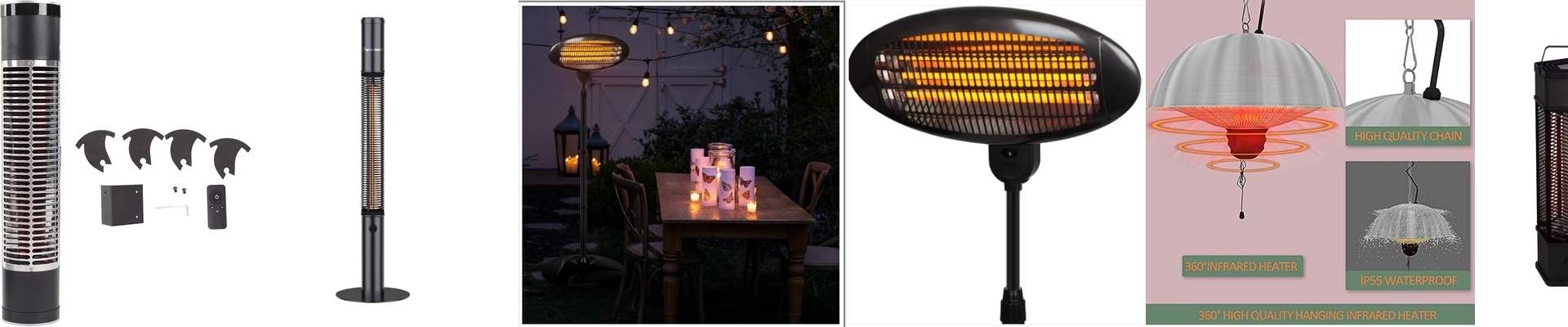
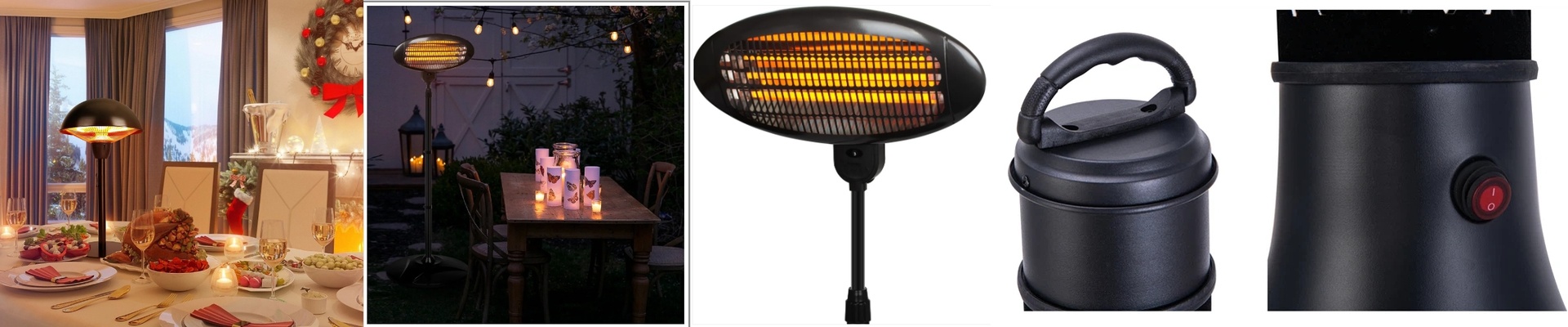
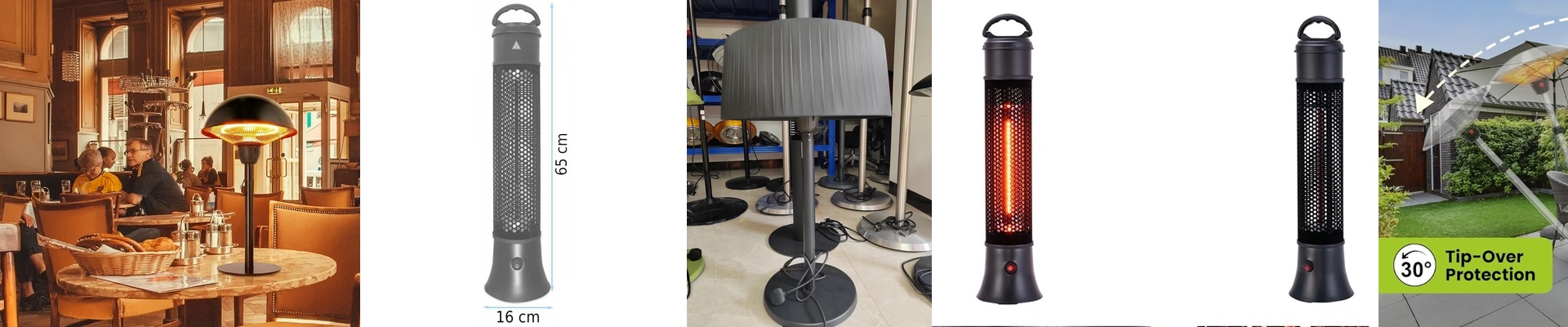
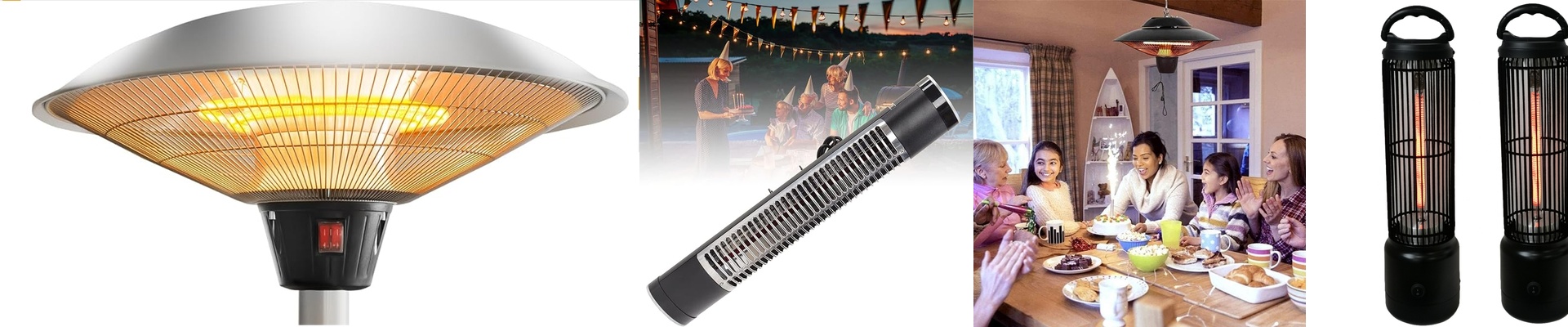
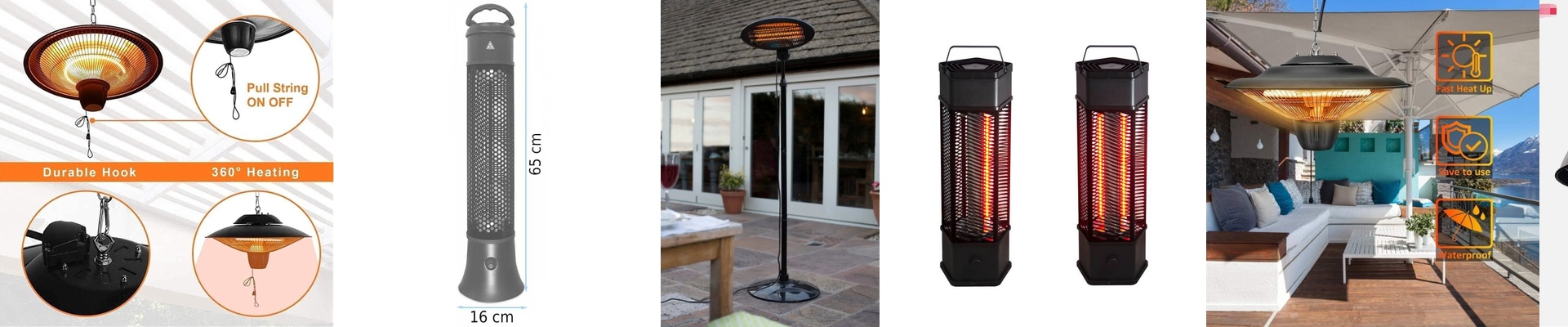
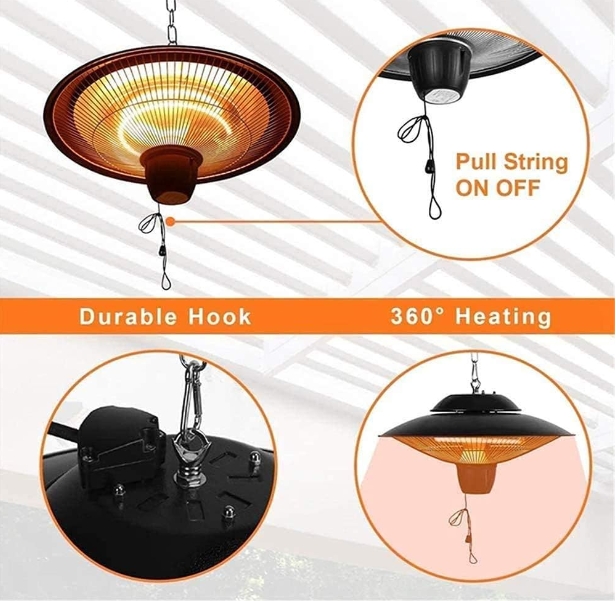
Infrared desktop heaters deliver radiant heat, the same kind of direct warmth you feel from sunlight. Instead of heating air, the heating element—usually a carbon fiber or a quartz tube—emits infrared energy that travels straight to objects in the room. That means comfort at your desk is immediate, with far less air movement. Most models run quietly because there’s no fan to spin up. They typically run on standard household power, and the controls are straightforward: an adjustable thermostat keeps things steady, and you’ve got built-in safety with tip-over protection and overheat protection.
Why this approach clicks for indoor work
When you’re working indoors, keeping humidity steady is a big part of staying comfortable and healthy. Forced-air heaters tend to push moisture levels down, and that’s when throats get scratchy and skin feels tight. Infrared heat warms you directly, so you can keep the overall room temperature a touch lower. The air holds more of its natural moisture, and you break the cycle of heating, drying, then trying to re-humidify. Plus, because the heat is localized, you get warmth right where you need it—fast. Energy use stays sensible, since you’re not heating the whole house just to feel good at your desk.
What to keep in mind
Infrared desktop heaters are best for personal or small-area heating, not whole-room coverage. They perform best when you place them within a few feet of the user, with a clear line of sight to your body. For the best results, keep the heater on a level, stable surface, and give it breathing room—aim for at least three feet of clearance from fabrics and other objects. Infrared heating is easier on humidity than forced-air options, but very dry winter conditions may still call for a small humidifier to hit that sweet spot. [Note: Specifications such as voltage, wattage, and dimensions vary by model; always confirm the product rating matches your outlet and intended use.]