
Introduction
Here’s the thing: we make industrial infrared heaters, yes—but we build them for the places where safety is the whole point. Not just a checkbox. The non-negotiables are simple: the heater doesn’t burn air, and it doesn’t make a racket. So you get a unit that’s quiet, oxygen-friendly, and ready to drop right in.
How It Actually Works
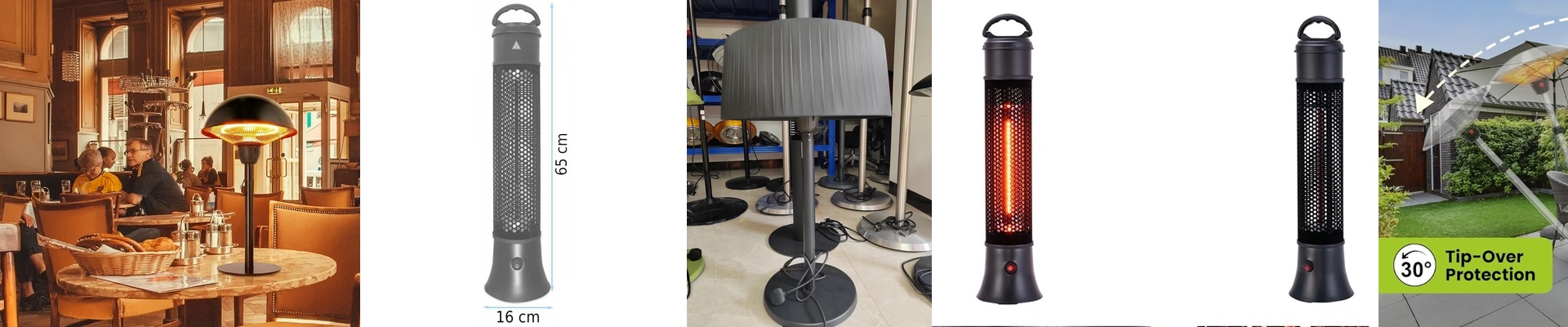
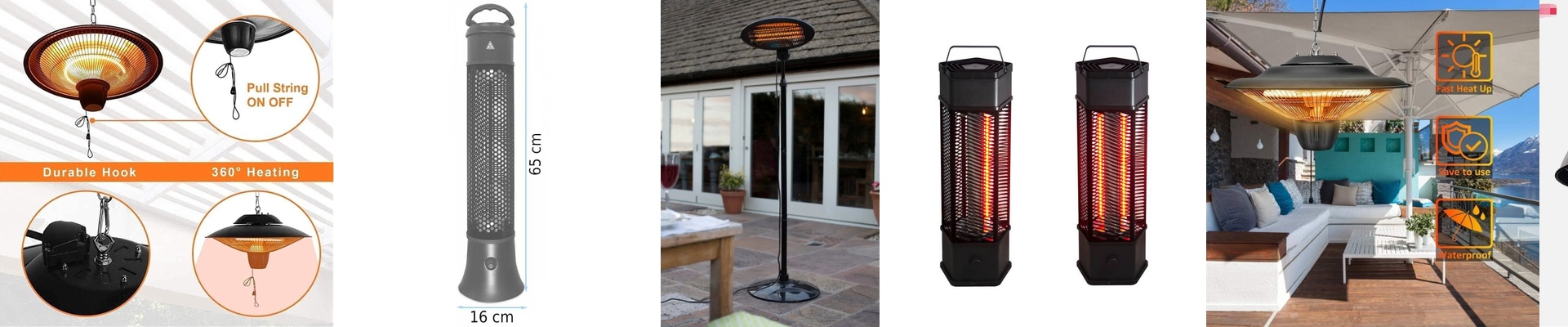
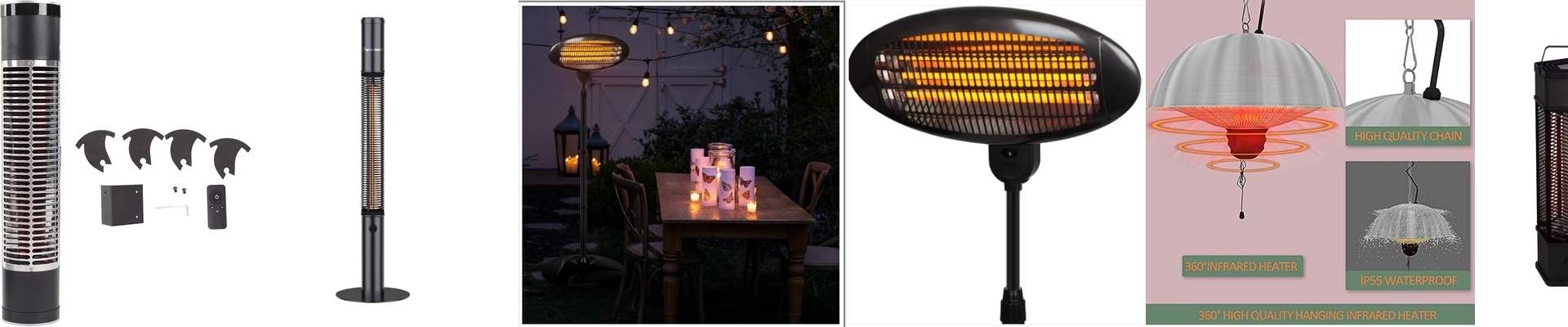
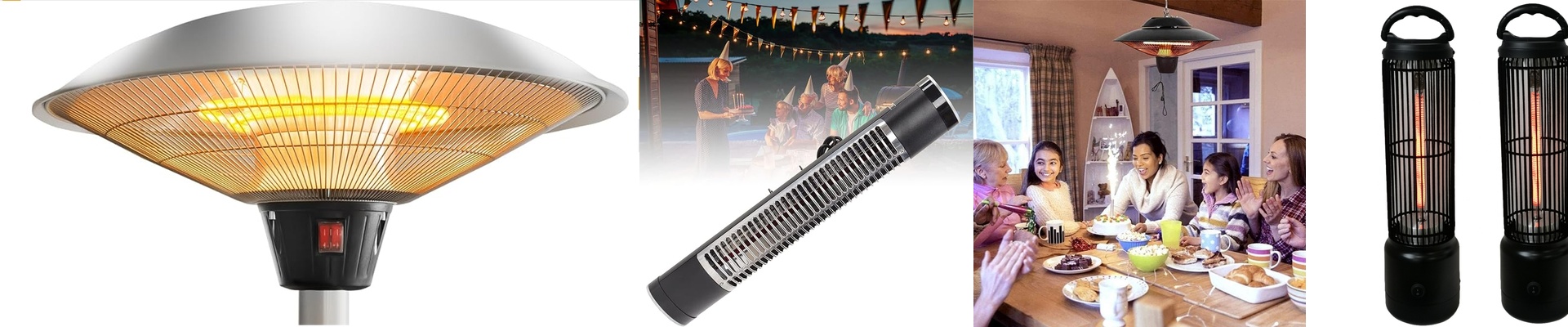
Infrared heat warms objects and people directly—think of it like sunlight on your skin. It doesn’t chase the air around the room, so there’s no convection, no drafts, and no fan noise. Just warm, steady heat where you need it. For the folks designing the space, that also means less strain on the electrical setup and fewer moving parts to worry about keeping in good shape.
The Build—Tough, and Thoughtful
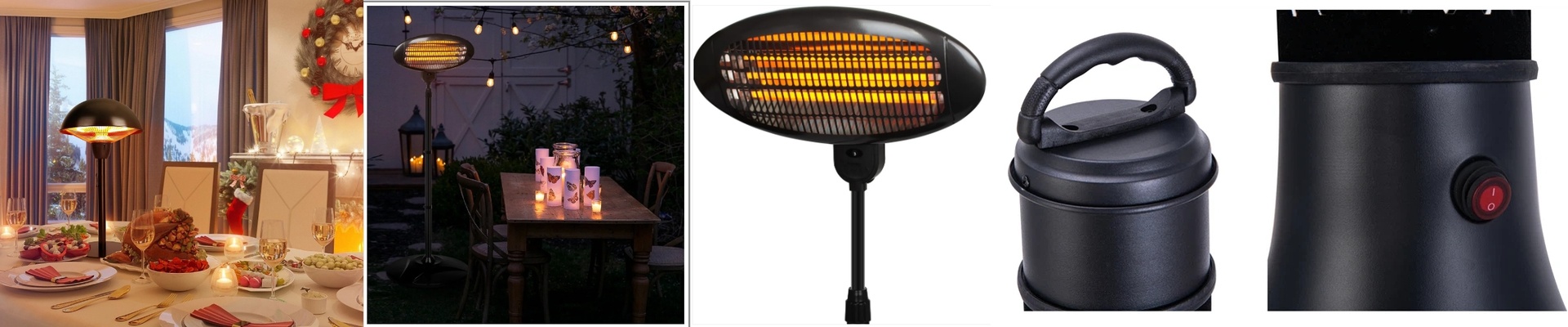
We use a halogen-filled quartz tube to create a strong, stable infrared field. It’s built to handle sudden temperature changes and to turn on and off over and over without cracking. Inside, the filament is engineered to keep its resistance steady over time, so the heat stays consistent through years of use. And because there’s no motor, no bearings, and no airflow path, the whole system is naturally quiet. One thing to keep in mind: the tube runs hot. So you’ll want mounting hardware and clearances rated for high heat.
Where This Shines—And Why It Matters
In spaces with infants, oxygen-safe heating isn’t a luxury. It’s a must. Our infrared heaters meet that need by avoiding combustion and by not stirring up the air. That helps reduce the risk of dry air and oxygen depletion, which matters when you’re talking about sensitive environments. On the practical side, there’s less to maintain. No filters to swap out. No fan to fail. The heat distribution is predictable, and the heater comes up to output fast when power comes on. That makes it ideal for spot heating and for keeping microclimates stable—especially in places where forced-air systems create unwanted noise and air movement.
The Honest Reality
Infrared is directional, so placement matters. You’ll want to plan carefully to avoid shadows and uneven coverage. And because the tube reaches high temperatures, the enclosure and wiring nearby need proper thermal protection. When you take a few minutes to get the clearances right and use heat-resistant mounting materials, you end up with a system that’s safe, quiet, and dependable.