


Stop Letting One Broken Lamp Kill Your Entire Bio-Sensor Batch
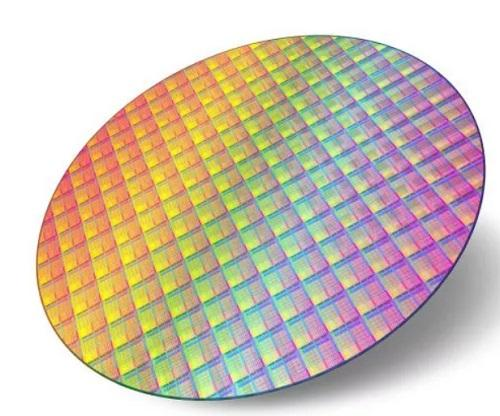
Let’s be honest: there is nothing worse than the moment a lamp bursts in the middle of a run. It’s not just a downtime headache. It’s a disaster. One pop, and you’ve got glass shards and halogen gas raining down on your wafers, ruining everything on the line. When you’re pushing high-load heating cycles, those quartz tubes are under a lot of pressure. That’s why we built our IR lamps to act as a safety net for your substrates. Keeping the mess contained We don’t rely on just one layer of protection. We put the heating element in a high-purity quartz envelope, but for the high-stakes bio-sensor lines, we add a second shatter-proof sleeve. Think of it as a physical shield. If the inner lamp gives out or cracks because of the heat, the debris stays put. No quartz dust on your wafers. No ruined batches. Just a lamp that needs replacing. Handling the heat To keep things stable, we use a halogen-cycle fill. This keeps the filament thickness consistent so you don’t get those “hot spots” that usually lead to a rupture. We also made the quartz walls thicker than what you’ll find in standard lamps. They can take a beating from rapid power cycling without flinching. But a word of advice: keep an eye on your ramp rates. Even the toughest tubes can feel the stress if you spike the voltage too fast. I’d suggest pairing these with a PID controller to keep that thermal curve smooth. The little things that matter in a cleanroom We use gold-plated or high-grade nickel connectors because oxidation is a silent killer. When you have a poor connection, you get localized heat. That heat can melt the seal, and suddenly you’ve got a leak. Our design stays tight, which keeps the electrical arc stable. And if you’re running 24/7, please check your cooling airflow. With this much heat density in the lamp head, your exhaust needs to be strong enough to pull the heat away from the ends. If it doesn’t, your seals are going to wear out a lot faster than they should.