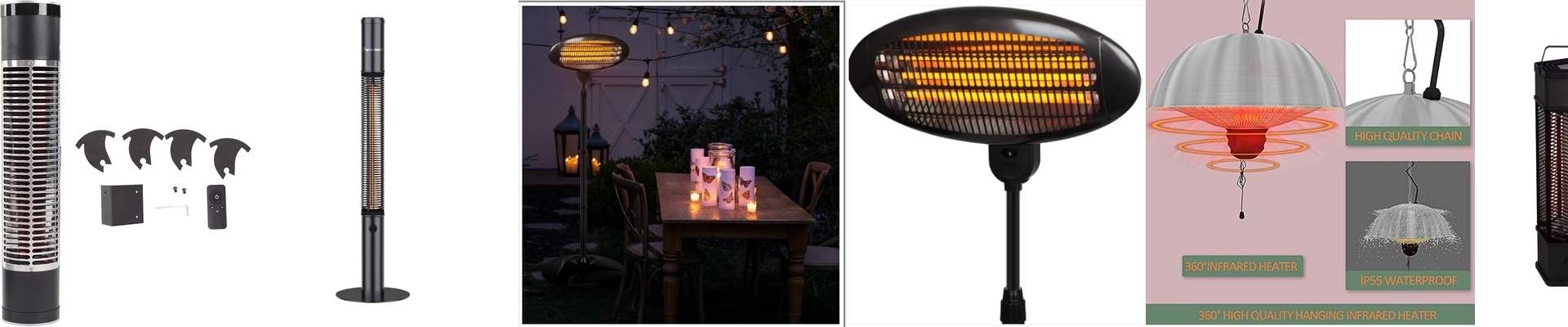

The Move to Timer-Controlled Electric Infrared Heaters
You know how it is—bathroom upgrades are finally getting real. These days, high-waterproof infrared heaters are stepping in and kicking the old lamp-style heaters to the curb. And honestly? It makes sense. Modern bathrooms need electrical safety and heat you can actually control. The old-school lamps just can’t keep up. A timer-controlled electric infrared heater is built for one thing: dependable, on-demand warmth in a wet, steamy space. The timer does the work for you, so you’re not flipping switches—and you don’t have to worry about things overheating.
Power, Voltage, and the Space It Needs
Here’s the practical part. These units run on 220–240V or 400V, with wattage picked to match your room size and how fast you want it to warm up. And they’re compact—think shortwave tubes or slim flat panels—so they can squeeze into tight ceiling or wall spots. Higher voltage makes higher wattage possible in a small footprint, which gives you that concentrated heat density. The payoff? You step out of the shower and the room feels warm again, fast. But that power also means your wiring and protection have to be up to the job. Proper fusing and solid insulation matter, especially when the heater cycles on and off again and again.
Materials and Design: Keeping Water Out, Keeping Heat Steady
The big upgrade is waterproof construction. These heaters carry high IP ratings—often IP54 or higher—so moisture can’t get at the heating element and electronics. The infrared element sits inside a quartz envelope, which handles sudden temperature shifts and keeps the output steady. The timer is built into the housing, so the controls stay away from direct water. Installation uses standardized connectors, which makes the hookup clean and secure. Fewer on-site headaches. Less fiddling later.
Where It Shines: Retrofit-Friendly, Dryer Heat, Fewer Interruptions
If you’re renovating, these heaters are a straightforward swap. Infrared warms objects and surfaces, not the air—so you get more even warmth and less condensation. And the timer makes it easier to stick to energy and safety routines without thinking about it. Now, there is one thing to keep in mind: infrared is focused heat. That’s the point. But it also means you need to position the unit carefully so nearby materials don’t get too hot. Plan the layout, double-check the electrical specs, and you’ll get a system that just keeps running with minimal downtime.