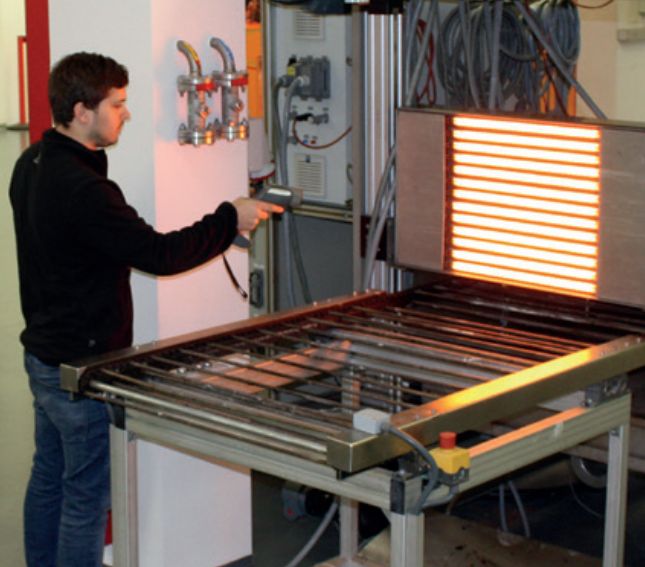
On the fab floor, a wafer fresh out of the clean rinse doesn’t need flair—it needs to behave. Water residue, uneven heating, and microscopic particles can nudge critical dimensions, wreck photoresist adhesion, and send you back for rework. Automated wafer drying heaters take that variability off the table and make drying a step you can count on, cycle after cycle. What matters under the hood We build the dryer around ±0.1°C thermal uniformity across the wafer plane, because in lithography the thermal budget is measured in nanometers. The design stays cleanroom-compatible, with airflow and surface materials chosen to keep shedding to a minimum. Temperature repeatability holds steady run after run, so your soft bake and hard bake settings translate into consistent photoresist profiles—no hot spots, no cold edges. It’s engineered for Class 1–100 environments, with seals, finishes, and filtration that keep particle counts in check. Why this works in practice In wafer drying and photoresist thermal processing, predictability is what keeps yield in the black. The heater dries wafers quickly and evenly, so you don’t carry moisture into exposure and development—where it can show up as bridging, scumming, or other defects. Tighter temperature control tightens line-edge roughness and keeps critical dimensions stable, while the cleanroom-aligned build supports steady contamination control. You end up with fewer excursions, less scrap, and consistent throughput—without chasing thermal drift. A few practical notes Installation comes down to matching exhaust routing and supply air quality to the tool’s cleanliness profile; low-purity lines can reintroduce contaminants right when you thought you were done. The unit also has a defined footprint, so plan the retrofit carefully if you’re working with older cells. Run a short commissioning to balance airflow and confirm temperature mapping across your product recipes. Once that’s dialed in, the process window tightens, and the dryer settles into being a dependable, repeatable stage in the line.