
Introduction
You know that bone-deep chill you get in a hotel basement? The kind that clings to you, no matter how many blankets you pile on? We built these infrared heaters to chase that feeling away. They’re made for damp, cold basements—the kind that seem to sweat and shiver at the same time. The idea is simple: give you warmth where you need it, without making the air feel heavier or wetter. Instead of blowing hot air around, these heaters warm people and surfaces directly. So you get cozy, the air stays calm, and you don’t feed the mildew problem.
The Inside Story
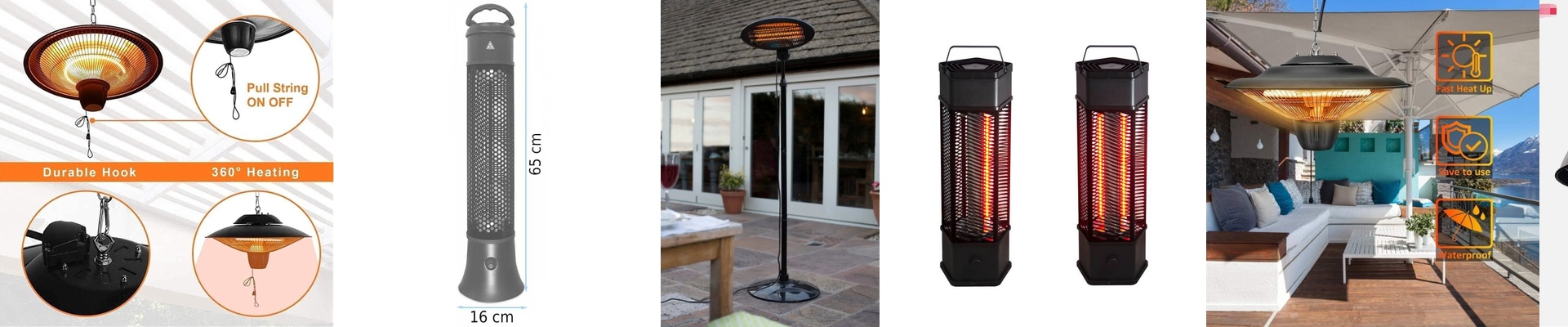
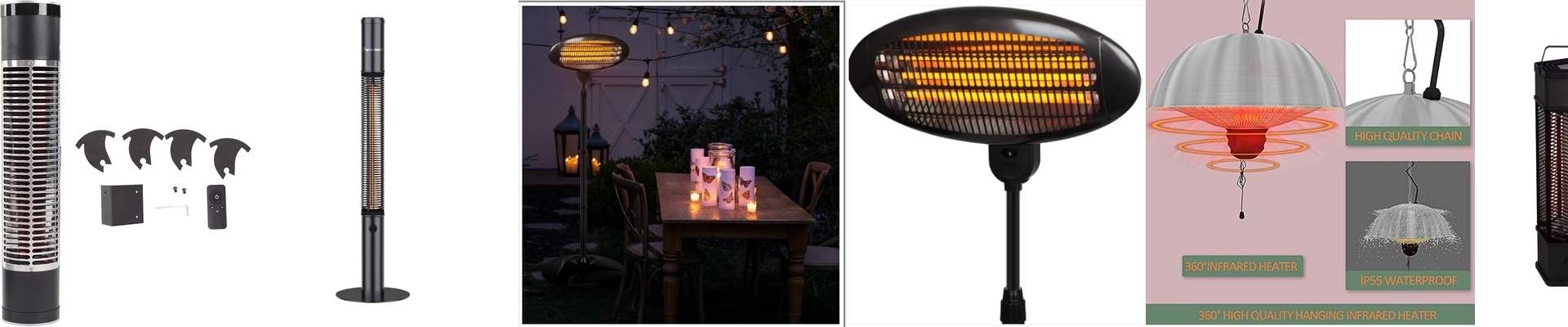
Here’s the thing about basements—they’re rarely built with extra electrical capacity in mind. So we kept these heaters low-power. That means a gentle draw on the system, which makes a huge difference when you’re retrofitting an older building. Less power means simpler wiring and smaller breakers. Which means faster installs and lower labor costs. And because they’re wall-mounted and compact, you can fit them in without rearranging the whole room.
What They’re Built With
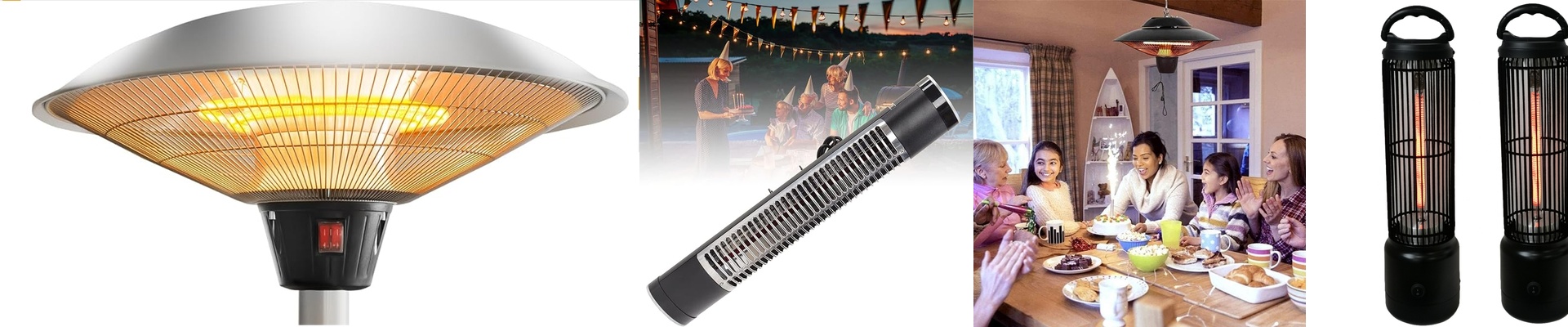
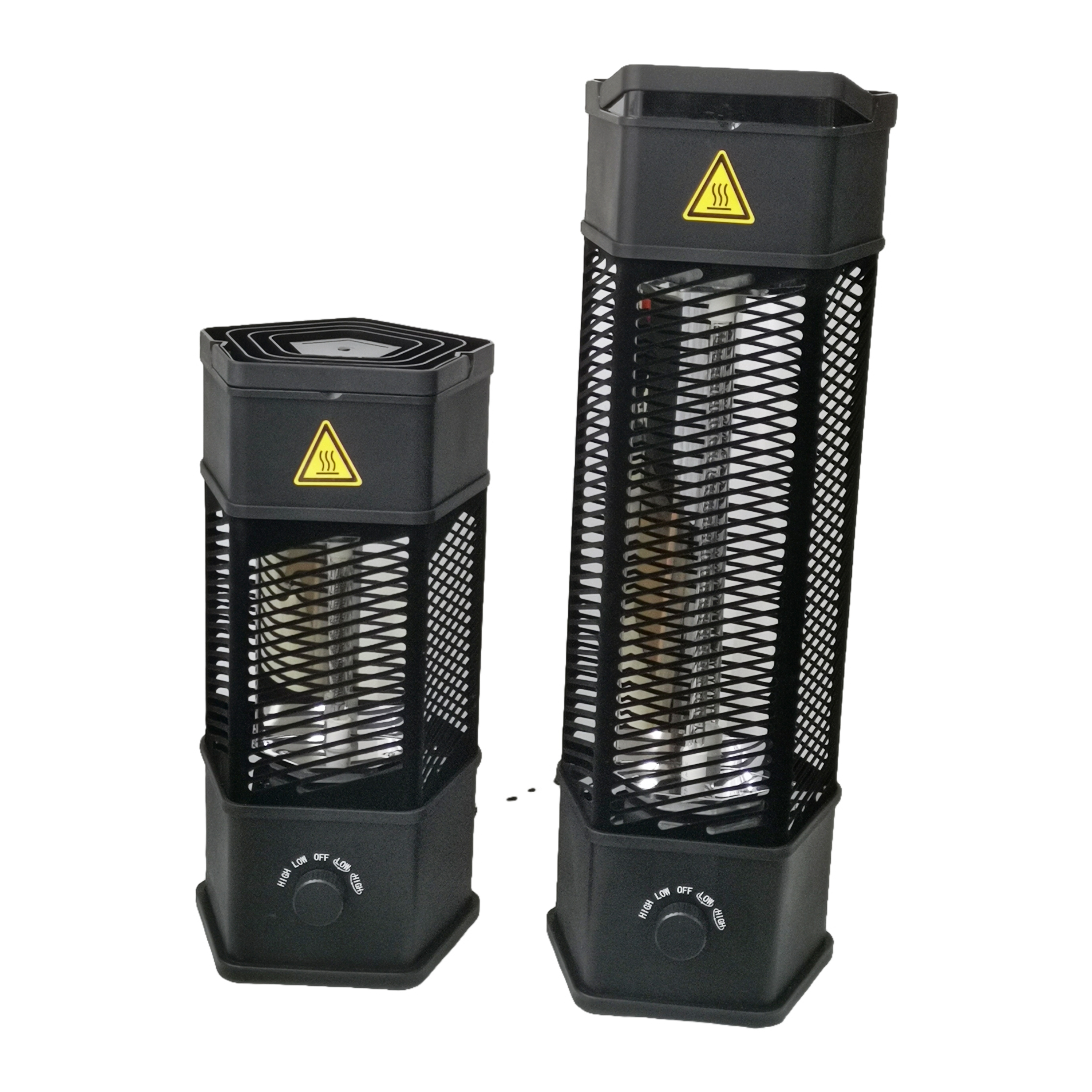
Inside, you’ll find a halogen-filled quartz tube. The halogen cycle protects the filament, so the unit doesn’t give up when it’s switched on and off often. Quartz also handles sudden heat changes well, so the heater can go from cold to warm without stressing out. The shortwave infrared heats solid objects directly, instead of wasting time warming empty air. So you feel the warmth quickly. And the R7s connector? It’s just practical. It carries the current, locks in place, and makes replacement easy—no tools needed. For hotel spaces, we added a low-glare finish, so you get the heat without the harsh light.
How It Feels in a Basement
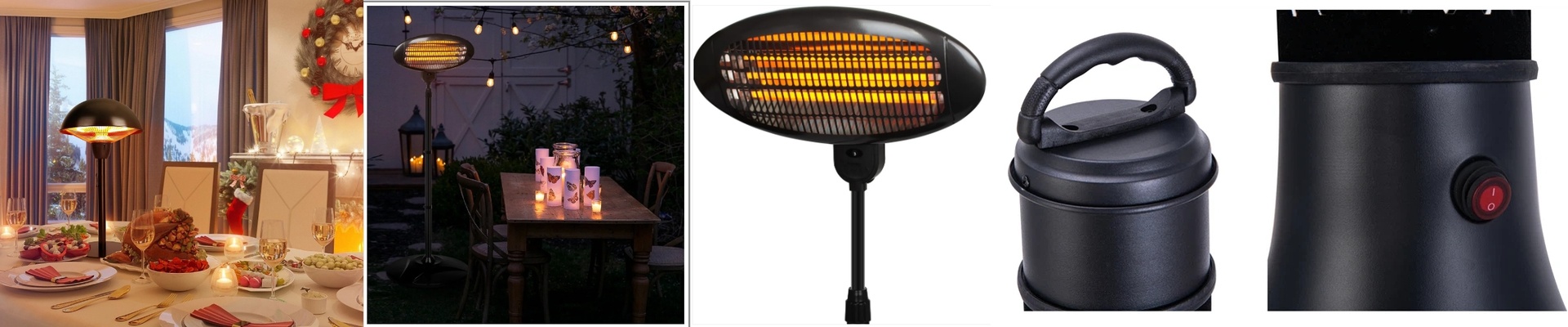
Step into a basement that’s been treated with these heaters and you notice two things right away. You feel the warmth faster. And the surfaces stop sweating so much, because they stay above the dew point. It’s not a dehumidifier, but it helps by changing the conditions that create dampness. Now, this is direct heating, so you plan for even coverage. Spot-to-spot spacing matters, and the room’s insulation will determine how many units you need. Spec the load, map the coverage, and wire it up. The payoff is a basement that stays dry and comfortable, without pushing the electrical system to its limit.