Why IR Heating is Winning in Hydrogen Sensor Fab
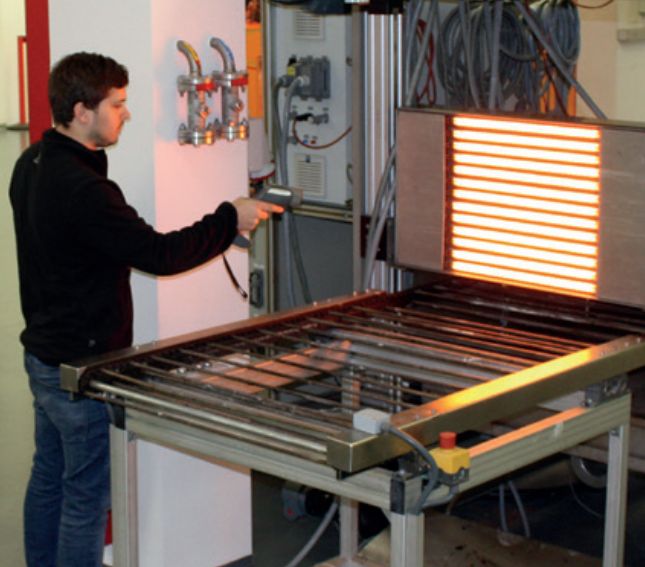
Making hydrogen sensors is all about the heat. You need a perfect cure and precise deposition, or the whole thing is scrap. For a long time, most shops just used hot air—standard convection. But if you’ve ever stood around waiting for a convection oven to hit temperature, you know it’s a slog. It’s slow. It heats the air, then the air heats the part. It’s a middleman we don’t need. That’s why we’re seeing everyone move toward infrared (IR). IR doesn’t mess around with the air; it hits the substrate directly. The waiting game is over Convection systems have this massive thermal lag. You spend forever ramping up the chamber. Then, when you swap parts, you’re just standing there waiting for the air to stabilize again. It’s a total bottleneck. IR fixes that. We can trigger a heat cycle in milliseconds. It’s fast. Really fast. And that changes everything for your workflow. You get way more units through the door without having to buy more floor space or add more machines. How it actually works on the floor In the fab, we use short-wave IR lamps. They pack a lot of energy and focus it right on the sensor’s active layers. There’s another huge perk: it’s non-contact. With hot air, you’re basically blowing a breeze across your wafer, which is a great way to move contaminants right where they don’t belong. IR stays out of the way. To dial in the temperature, we just tweak the duty cycle of the power supply. It gives us a much tighter thermal profile, meaning we don’t accidentally over-cure the edges of the sensor. The catch (because there’s always a catch) Now, IR isn’t a magic wand. You can’t just toss a lamp into an old convection oven and call it a day. Because the heat is so concentrated, you can run into “hot spots” if your lamps aren’t aligned perfectly. You also have to do the math on your materials. If your sensor material reflects too much IR, you’re just wasting power and baking your chamber walls. You’ll want to make sure your cooling system is beefy enough to handle that reflected radiant heat. It takes a bit more planning upfront, but the speed you get in return makes it worth the headache.