

Keeping It Safe: Electric Heat in Damp Places
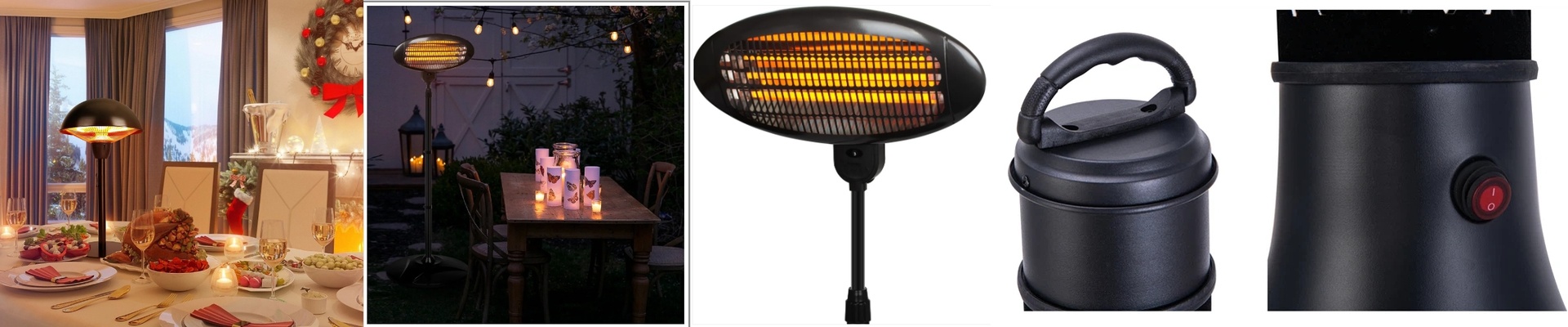
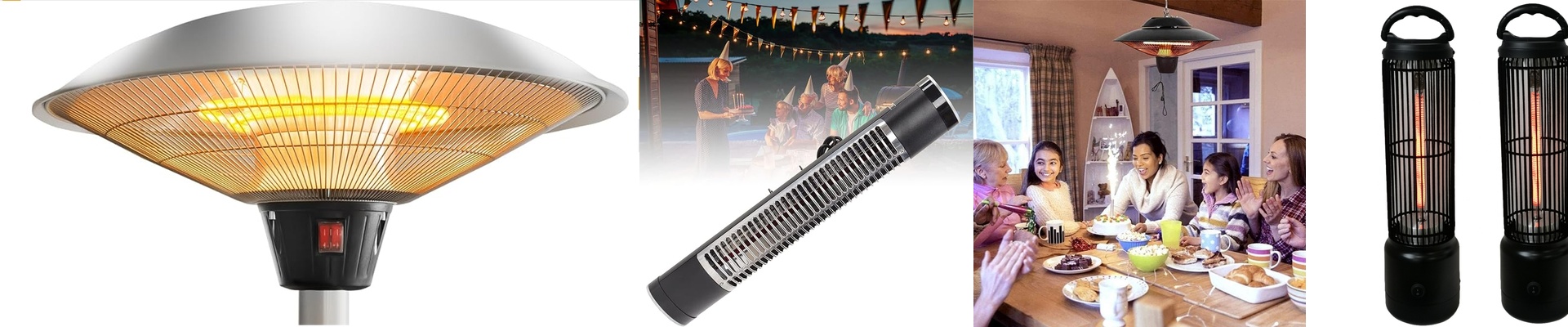
We built these wall-mount industrial heaters for the places where moisture never takes a day off. The heart of the design is a halogen infrared lamp—meant to throw direct radiant heat while staying completely electrically isolated. If you’re the one spec’ing equipment for humid industrial spots or wet bathrooms, the goal is simple: a heater that does the work, day after day, without turning into a headache.
Power, Voltage, and Why It Fits
Here’s the thing about the power setup: we run on 400V because that’s standard industrial power. No step-down transformer needed. It just plugs cleanly into what’s already there. That voltage pushes 2500W through a compact 300mm tube. The math is clean—lots of wattage in a small space means serious heat density. Mounted on the wall, the unit sits up high and stays out of the splash zone. And the short tube keeps the footprint small. This is direct radiant heat, so it warms the target—people, surfaces—not the air around them.
The Build That Makes It Safe
Safety comes down to materials and how it’s put together. The tube is quartz glass with a special halogen coating, made to handle thermal shock and resist soaking up moisture. Inside, the halogen cycle keeps the filament stable. That means a longer life and fewer surprise burnouts. The R7s connector is the standard for this form factor. It locks the tube in place with a solid two-point contact and keeps the electrical connection tight, even when things vibrate. And the whole assembly is sealed to IP65—dust-tight, and protected against water jets.
The Moisture Problem, Actually Solved
In a damp bathroom or shower area, regular heaters can short out. Our wall-mount infrared heater sidesteps that. Radiant heat warms people and surfaces directly, not the air. So you can hold the target temperature without creating condensation on cold walls. The IP65 seal and insulated housing give you that full electrical isolation you need. There is one trade-off: thermal management. A 2500W unit throws off a lot of heat. You’ll want to make sure the mounting spot and nearby materials can handle the temperature, and that the room has enough ventilation to keep ambient heat from building up. This is a tough, well-thought-out solution for engineers who need heat without the risk.
The Honest Part: It Gets Hot
Let’s be real—this 400V, 2500W tube packs serious heat density. Your machine’s cooling or the room’s ventilation has to be up to the job. This isn’t a background heater. It’s a high-output tool. Plan for the heat.