

Keeping It Clean: The Real Struggle with Class 100 Heating
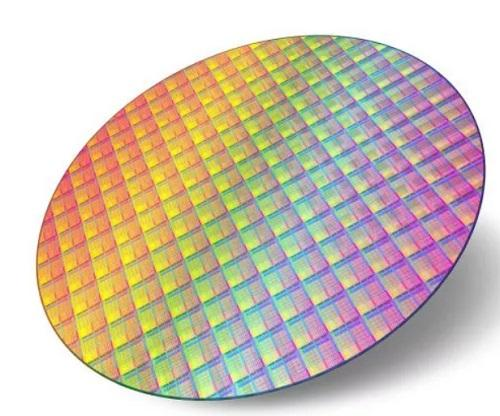
If you’re working in a Class 100 cleanroom, you know that temperature is actually the easy part. The real nightmare? Particles. Most standard IR lamps are a liability in these environments. They outgas. They shed tiny bits of debris from the seals. In the world of semiconductors or medical gear, a single microscopic flake of burnt glue or ceramic is enough to trash an entire wafer. It’s frustrating, expensive, and totally avoidable.
Why We Use Quartz and Ceramics
To stop those metallic impurities from leaking into your process, we stick with high-purity synthetic quartz. But the real secret is in the end caps. Most lamps use cheap resins or adhesives that basically vaporize the moment they get hot. We don’t do that. Instead, we use high-density technical ceramics. These create a mechanical seal that just doesn’t quit, even when things get scorching. No “smoke,” no flaking, no surprises.
The Trade-offs (Because Nothing Is Perfect)
Here is the thing: when you go for high-purity materials, you have to change how you handle the hardware. Synthetic quartz is great against chemicals, but it’s a bit more brittle than your standard borosilicate.**Be gentle.**If you over-tighten those mounting brackets, you’re asking for a stress fracture. Give it some breathing room. We also ditched the organic coatings. Sure, a gold or black coating helps with absorption, but those things flake off over time. For a true cleanroom, clear, uncoated quartz is the only way to go. You might lose a little bit of directional control, but you get a particle-free environment. That’s a trade I’ll take every single time.
A Few Tips for the Install
When you’re wiring these in, keep an eye on your power supply. You want it stable. Voltage spikes can create hotspots right at the ceramic interface, and that’ll eat through the life of your lamp way faster than it should. The good news? These are drop-in replacements. As long as your footprint fits the ceramic cap dimensions, you’re golden. Just make sure your cooling fans are actually doing their job and pulling heat away from those seals.