
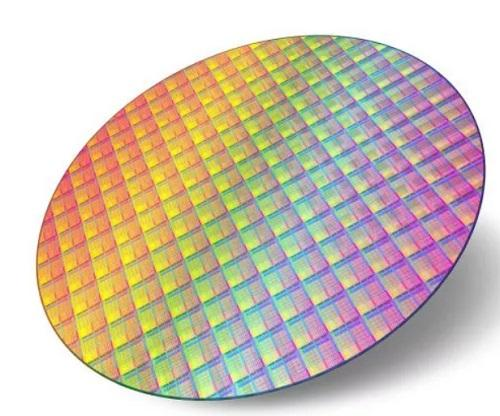
On the fab floor, you know the drill: a photoresist bake that drifts even 0.2°C is enough to move critical dimensions and send a batch to rework. Conventional ovens fight thermal inertia and airborne particles, and every scrapped lot shows up as lost capacity and schedule slip. What matters under the hood We built the cleanroom oven around short-wave quartz infrared emitters. The energy goes straight into the wafer, so you hit setpoint fast without heating up the chamber mass. Temperature uniformity across the load holds at ±0.1°C, and repeatability stays tight lot-to-lot—exactly what you need to keep overlay and CD control in lithography. The heater runs in Class 1–100 cleanrooms with zero particle generation, confirmed by in-situ monitoring. No outgassing, no shedding, no contamination. The controls are tuned for precise soft bake and hard bake profiles, with recipes stored and full audit trails for traceability. Energy use comes down thanks to quick ramp-down and minimal standby heat. Reliability is engineered for 24/7 operation, with predictable maintenance windows you can plan around. Why it plays in wafer fab and packaging Thermal budget is non-negotiable, whether you’re processing photoresist or polyimide. With this infrared heater, you get stable bake performance, shorter cycle times, and fewer excursions. That means higher first-pass yield, less scrap, and a lower cost per wafer. And because the design is cleanroom-compatible, particle counts stay low—critical for advanced nodes and fine-pitch packages where yield is razor-thin. What to expect on install and ramp You’ll need cleanroom-rated power and grounding. The emitter array also needs proper clearance so uniformity holds across the full load. Load density affects the profile, so match the fixture to the wafer set. Plan on a short commissioning period to lock down recipes for your specific resist stack and bake sequence.