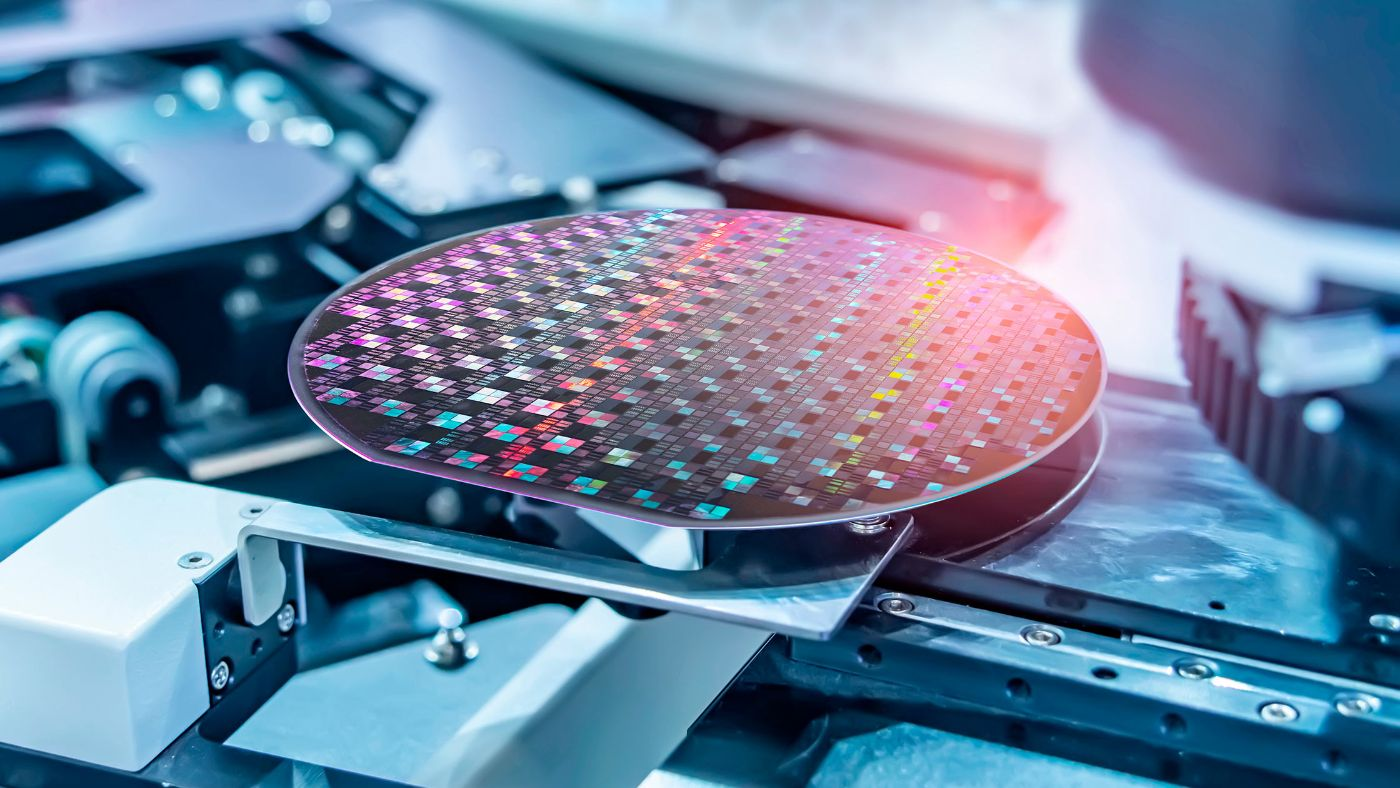
On the fab floor, the bake steps in photoresist come down to thermal control—period. A half-degree drift will wreck CD uniformity, and a lazy ramp will bleed throughput. We built our dimmable semiconductor heater lamp for exactly these realities, delivering stable, adjustable heat when the wafer thermal budget has no wiggle room. What matters under the hood We run a short-wave halogen emitter in a quartz envelope. It heats fast, clean, and keeps its head together for the long haul. Temperature control across the photoresist bake window is precise and repeatable, with wafer-level uniformity held within ±0.1°C. The dimming is smooth, no flicker, so you can dial in ramp rates for soft bake and hard bake recipes without overshoot. The system sits comfortably in Class 1–100 cleanrooms, and it generates zero particles while it runs. Reliability is 24/7, with field units racking up 5,000+ hours while holding under 5% output drift. Why it fits the line Whether you’re running a track bake module or slotting this into an existing coater/bake platform, the lamp swaps out conventional heaters with something that meets international semiconductor equipment standards. You get process repeatability, tighter critical dimension control, and lower energy use thanks to dimming on demand. Cycle times improve because the thermal response is quick, and unplanned downtime drops—the envelope stays cool, and it handles frequent on/off cycles without falling apart. The practical details The lamp drops into standard tool footprints, but you need to verify thermal coupling to the substrate during install to hit the rated uniformity. For the best results, match lamp orientation and reflector geometry to the bake plate, and make sure the power supply can cover the full dimming range. It operates within specified ambient temperature and voltage tolerances; push past those, and you’ll shorten lamp life and lose thermal stability.