
Why We’re Moving to High-IP Infrared for Bathrooms
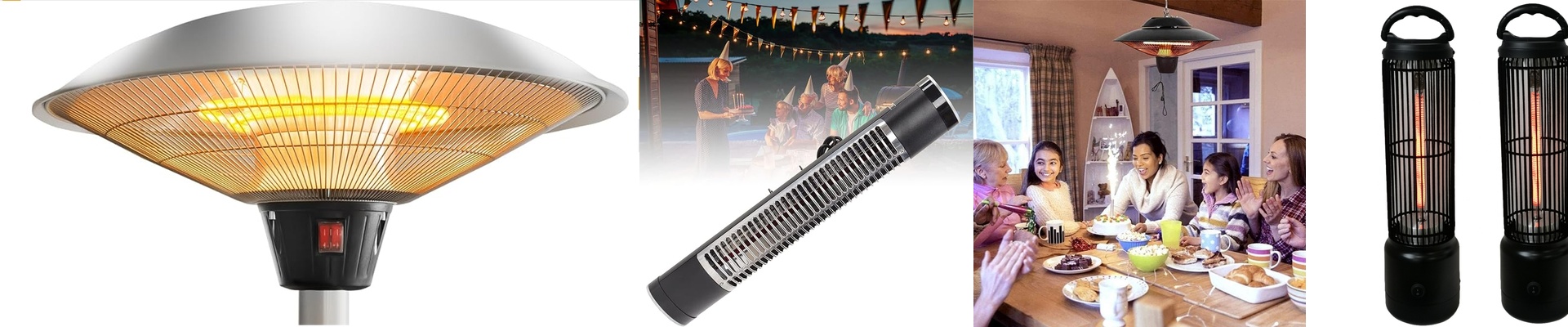
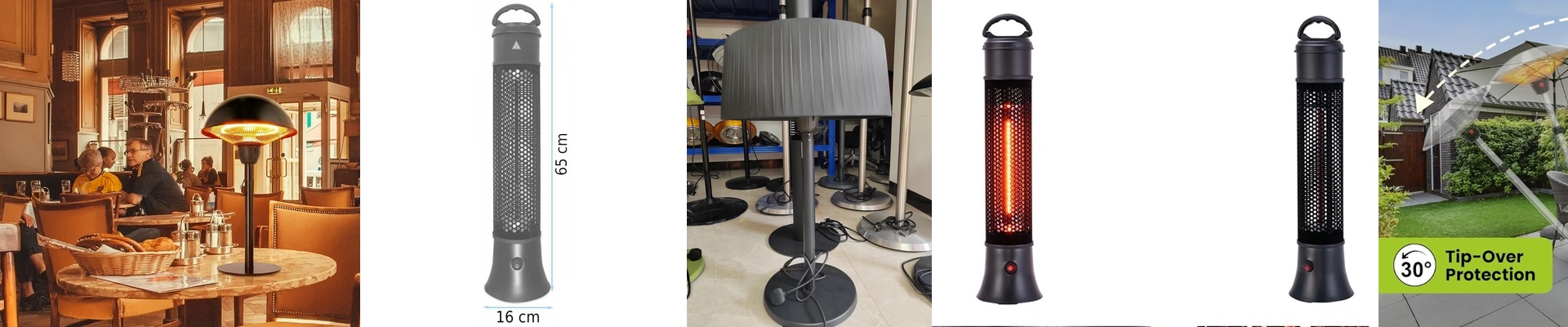
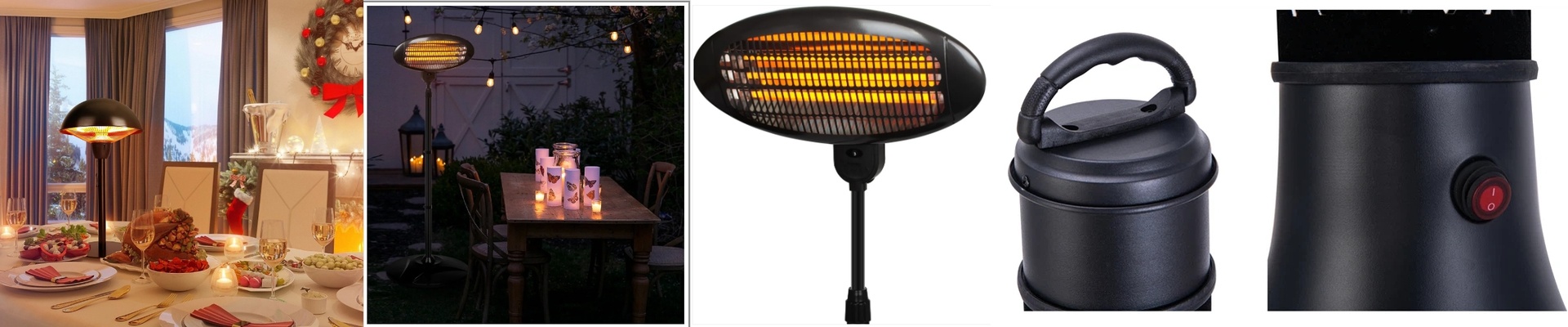
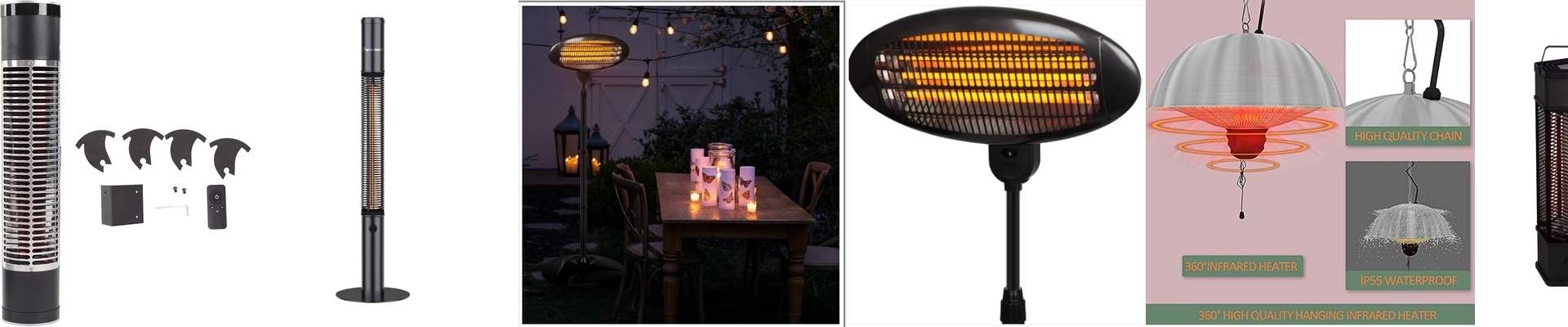
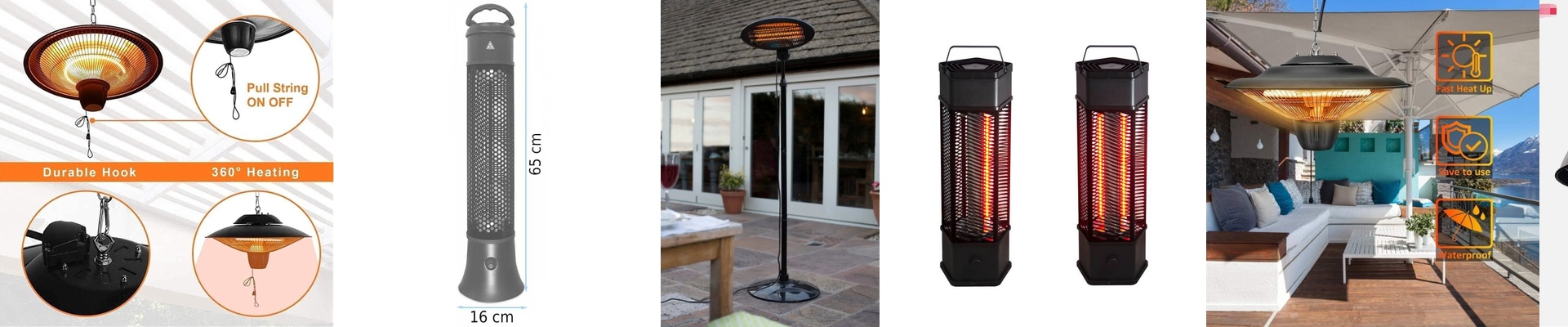
We’ve noticed something changing in how bathrooms are being built lately. Those old-school heat lamps? They’re starting to disappear. In their place, we’re seeing a lot more high-waterproof infrared radiators. It’s not just a trend; it’s about how the heat actually works. Those traditional lamps usually try to warm up the air, but in a steamy bathroom, that air just drifts away or gets sucked out through the vents. You’re left shivering anyway. The moisture problem Here is the thing: bathrooms are brutal on electronics. Steam gets everywhere. Standard heaters often die early because moisture sneaks into the housing and wreaks havoc. That’s why we build these infrared units with a much higher IP rating. Basically, we’ve beefed up the seals. It keeps the steam and those accidental splashes away from the electrical terminals. When you wire these in, you don’t have to worry about condensation causing a short circuit. It just works. Heat you can actually feel Infrared is a different beast entirely. Instead of fighting with the air, it sends out waves that warm you and the surfaces around you directly. It’s instant. You don’t have to stand around waiting for the room to “warm up.” You just feel it the second you flip the switch. We use shortwave emitters for these, which means we can pack a ton of heat into a slim little fixture. It’s great for drying off a surface quickly without needing a bulky heater taking up space. A few tips on the install The good news is that these are designed to be drop-in replacements. You can usually swap them into your old ceiling fixtures without having to tear open your walls or redo your entire electrical map. But, a quick reality check: these things pull a lot of power. If you’re putting a few of these into a big master bath, please check your circuit breaker first. If you overload the line, the breaker is going to trip the moment you turn them on. Just make sure your wiring gauge can handle the total wattage so you aren’t overheating the cables tucked away in your ceiling.