Making Your Waterproof Infrared Heaters Actually Last
Here is the honest truth: most infrared table heaters die because they can’t handle a little bit of water. Whether it’s a stray splash or just condensation building up over time, moisture is the enemy. When a drop of water hits a scorching hot quartz tube or sneaks into the electrical terminals, things go south quickly. You get a short circuit, or the glass just gives up and cracks. We built our waterproof units to stop that headache before it starts.
Dealing with the “Drip” Problem
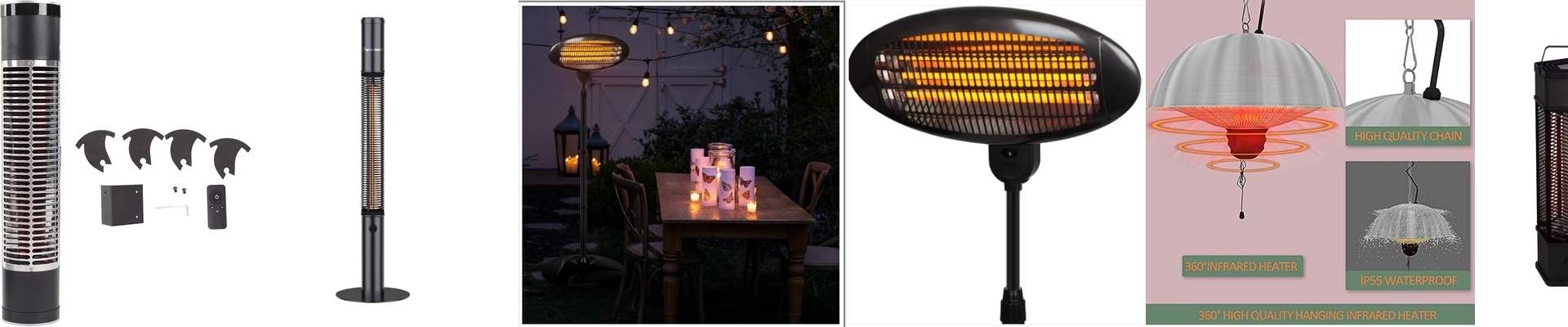
When we talk about “waterproof,” we aren’t just talking about surviving a spill. It’s more about how the heater handles the air around it. If moisture clings to the heating element, it creates these little cold spots. The glass then fights between being freezing cold in one spot and boiling hot in another. That stress is what kills the quartz. We use anti-fog designs to keep the tubes clear and dry. Plus, we added specialized seals and drainage paths. This means if water does get in, it doesn’t just sit there pooling around your electrical connections. By keeping the wiring tucked away from the heat and sealing the entry points, we stop the corrosion that usually eats through terminals in damp shops.
The One Catch: Heat Trapping
Now, there is a trade-off. When you seal a heater up tight to keep water out, you’re also trapping heat inside. Because there isn’t as much natural airflow as you’d find in an open-frame heater, the internal parts run a bit hotter. It’s a fair trade for the protection, but you have to be smart about it. Just make sure you leave enough breathing room around the installation so the wiring doesn’t overheat.
What This Means for You
At the end of the day, this is all about spending less time fixing things. When the internals stay dry, the electrical resistance stays steady. You get the same level of heat on day one as you do a year later. No more swapping out burnt-out lamps every few months. No more shutting down your machine because a terminal corroded. We focused on the physical barriers—the seals and the glass—so you can just turn the thing on and get back to work.