
Why Your Bathroom Heater Actually Needs to Be Waterproof
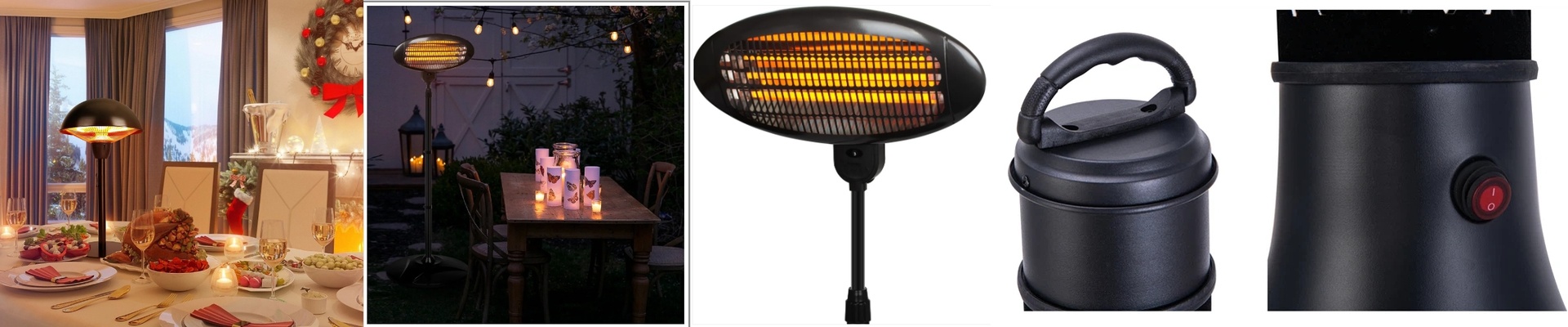
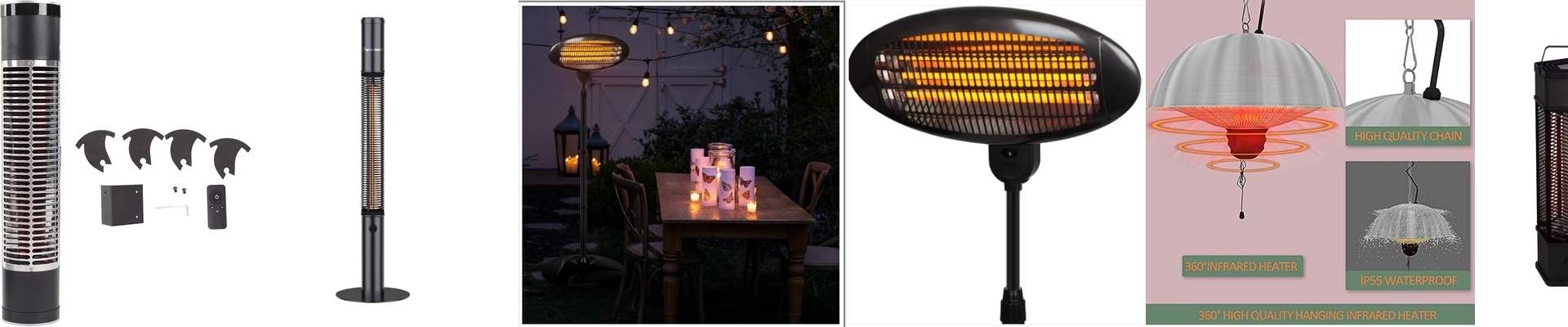
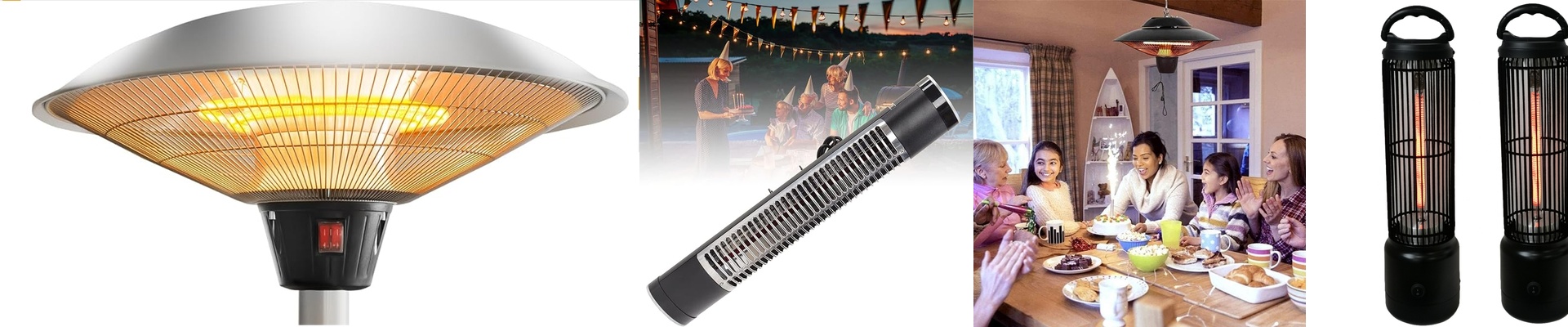
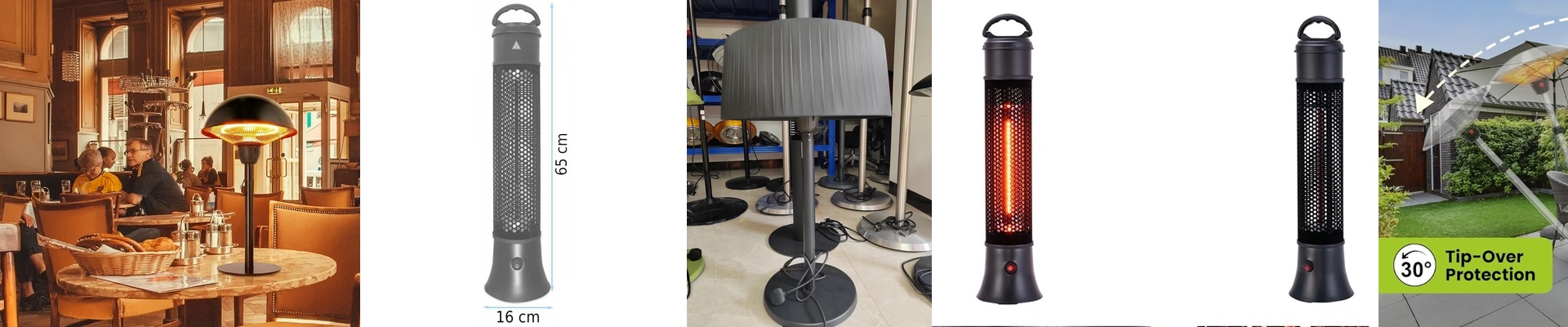
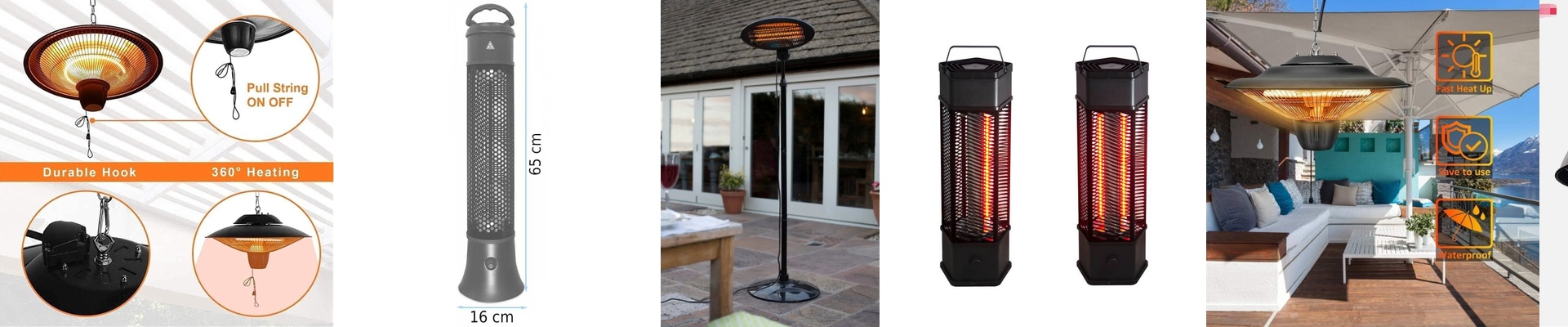
Let’s be honest: nobody likes stepping out of a hot shower into a freezing cold bathroom. For years, we’ve relied on those old-school “light-heating” lamps. You know the ones—they glow bright, waste a ton of energy on light you don’t actually need, and usually struggle the moment the room gets steamy. We’re moving away from those. The real win is switching to high-standard infrared heaters. Here is the secret: they don’t try to warm up the air. Instead, they send short-wave infrared radiation straight to you. It’s like stepping into a patch of sunlight on a winter day. The battle against steam Bathrooms are brutal on electronics. Between the steam and the occasional splash, most heaters just rust out or short-circuit. It’s a nightmare. That’s why the “IP rating” actually matters here. We use heavy-duty gaskets and sealed wiring to make sure the insides stay bone-dry. If you skimp on the waterproofing, you risk leakage current. And in a wet room? That’s a safety risk you just don’t want to take. Why infrared beats the old stuff Those old halogen lamps get hot, sure, but the heat is all over the place. Modern infrared tubes use a special doped quartz. This lets us pack more power into a smaller space. The best part? Infrared waves don’t care if the room is damp. They cut right through the moisture to hit the target. You feel the warmth instantly. A few things to keep in mind It’s not all magic, though. There are a couple of things to watch out for during install. First, infrared is directional. If the heater is mounted too high or pointed the wrong way, you’ll end up with annoying cold spots. You’ve got to get the placement just right. Plus, these units pull a decent amount of power. Before you swap out your old fixture, have someone check your wiring. You don’t want to flip the switch and immediately trip the breaker. Usually, it’s a simple drop-in replacement for the old lamp, but a quick check of your circuit capacity saves a lot of headaches later.