Why we’re switching to IR for Smart Fabs
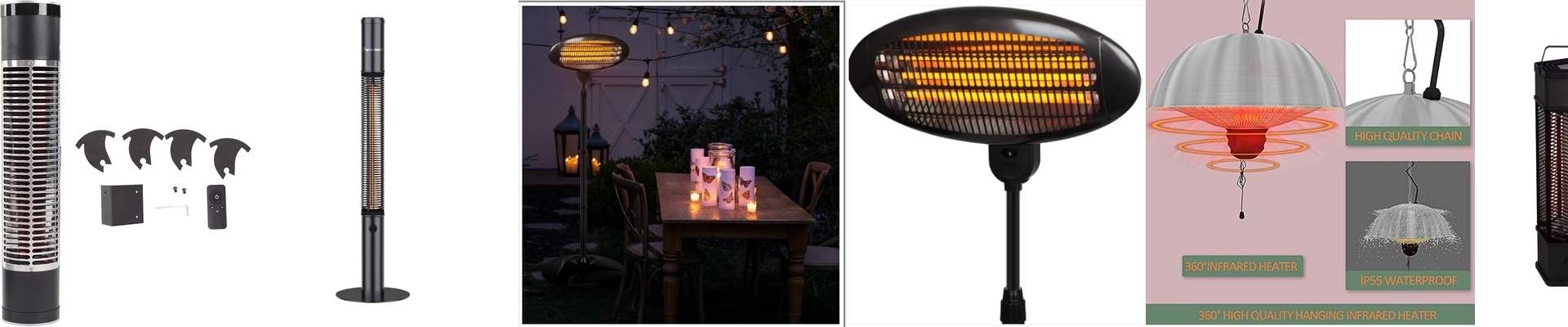
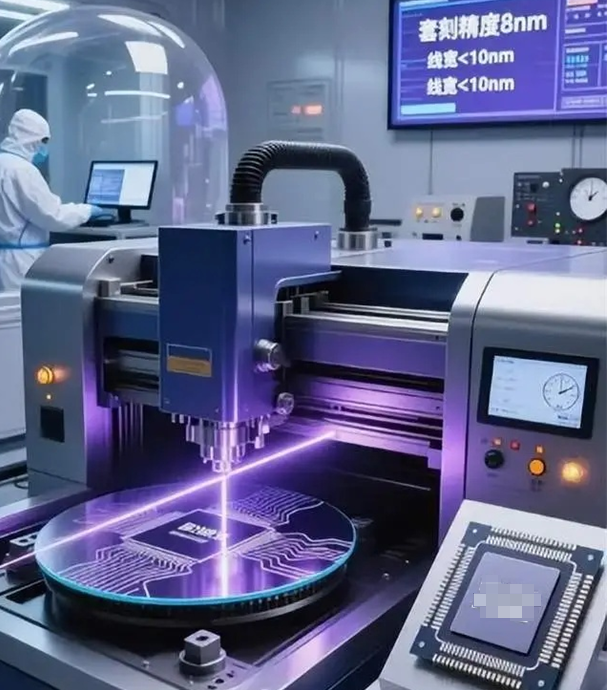
If you’re planning a Smart Fab for Industry 4.0, the first thing you’ve got to do is ditch those old-school convection heaters. They just don’t cut it anymore. We’ve moved toward infrared (IR) systems for thermal energy because they don’t rely on the air to move heat. In a cleanroom, that’s a huge win. It means no air turbulence and no floating particles landing where they shouldn’t. Giving your heat a brain Most traditional heaters are basically just “dumb” blocks of resistance. They’re slow. But for a digitized line, you need something that actually listens. We use IR systems that plug straight into PLC controllers with sensors that react instantly. Because we use short-wave IR, the heat transfer happens almost immediately. You can crank the temperature up or drop it down in seconds. It’s fast. Really fast. And that’s what makes it work with data-driven cycles. When your throughput changes, the heat just keeps pace with your takt time. No lagging. Saving your floor space One of the best parts is the density. IR lets us pack a ton of heat into a tiny footprint. We can aim the energy exactly where the wafer or substrate is sitting, which means the machines can be much smaller. You end up fitting more tools into your cleanroom without feeling like you’re tripping over equipment. The catch: Power and heat Now, it’s not all magic. High-density IR puts a serious strain on your electrical setup. If you push for max wattage to shave a few seconds off your cycle times, your control cabinets are going to get hot. You’ve got to be smart about your cooling. If you don’t spec the cooling to handle that ambient rise around the power supplies, your components will burn out way sooner than they should. It’s a trade-off, but a manageable one. Why bother with IR? At the end of the day, we love IR because it’s non-contact. No touching means no contamination. Simple as that. Plus, it plays really well with digital twins. IR radiation follows predictable physics, so you can map out the thermal profile before you even touch a wire. It takes all the guesswork out of the commissioning phase. You know it works before you even turn it on.