
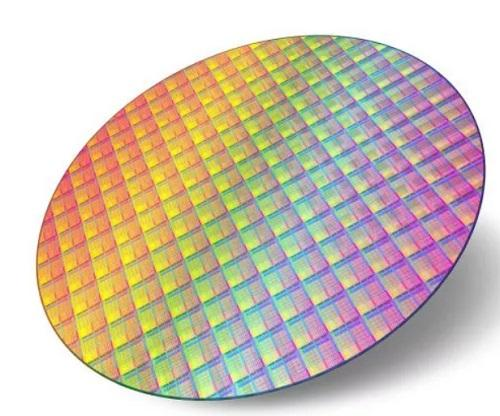
Stop One Broken Lamp From Killing Your Yield
Anyone who’s worked in a fab knows the nightmare. One lamp pops, and suddenly you’re not just dealing with downtime. You’re looking at a rain of quartz shards and metallic oxides all over your wafers. It’s a mess. A huge, expensive mess that takes days of scrubbing to fix. When you’re pushing high-load heating cycles, those lamps take a beating. The thermal stress is real. That’s why we build our infrared lamps to handle the heat without falling apart. Keeping the glass together We start with high-purity fused quartz. It’s tough. It handles those rapid temperature jumps during ramp-up without cracking under the pressure. But we didn’t stop there. We add a shatter-resistant coating or a protective sleeve. Think of it as an insurance policy. If a filament burns out or the glass finally gives way, the coating keeps the fragments trapped. You get a contained failure instead of a debris field covering your production line. The battle against heat High-density heat is brutal on seals. To fight this, we use a specific pinch-seal tech that keeps the gas fill stable. This stops the leaks that usually kill a lamp way too early. One tip: keep an eye on your cooling. If you crank the wattage but don’t have the airflow to match, those end-caps are going to overheat. And once they overheat, the seals fail. It’s that simple. Making it work in the real world We also spec our connectors to handle vibration. Why? Because a loose connection creates arc points. Those spikes in temperature are exactly what blow a tube. The best part is that these are drop-in replacements. You don’t have to mess with your controllers or rewire anything. Just swap them in and get back to work. One last thing—do yourself a favor and check the contact tension every 500 hours. It takes a minute, but it stops hot spots from forming and keeps your lamps from taking a beating when you’re hitting peak production.