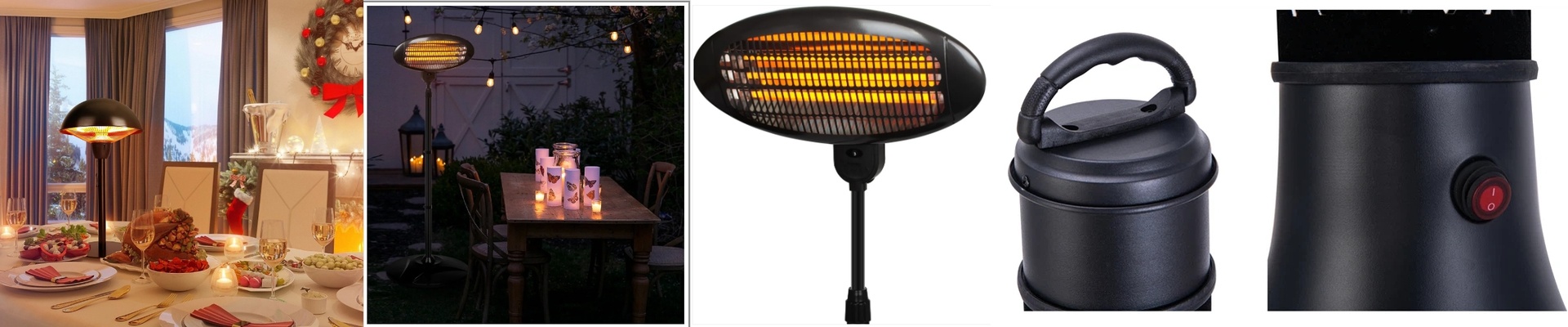

Keeping Outdoor Heaters Alive: The Truth About IP66
Outdoor infrared heaters have a rough life. Between the driving rain, salty sea air, and those brutal temperature swings, most gear just gives up. We built our IP66-rated units to fight back. The goal is simple: stop water and fog from killing your heating elements before their time.
What IP66 actually does for you
In plain English, IP66 means the housing is totally dust-tight and can take a high-pressure blast of water without blinking. We make this happen with heavy-duty gaskets and sealed cable entries. When a storm hits, the water hits the chassis and slides right off instead of leaking into the electrical terminals. No leaks, no short circuits, and no burnt-out lamps. Then there’s fogging. That’s a different kind of headache. Imagine a freezing cold heater kicking on in thick, humid air. Condensation clings to the quartz tube instantly. If that moisture just sits there, it causes thermal shock—which is a fancy way of saying the glass can crack. To fix this, we designed specific venting and airflow paths. It pushes the moisture out fast so the heat stays steady.
The trade-offs (because nothing is perfect)
We use corrosion-resistant alloys for the shell. If you’re installing these near the coast, that’s a lifesaver because salt air eats regular metal for breakfast. We also coated the internal reflectors so they stay shiny and efficient, even when the humidity is cranking. But here’s the thing: there’s a catch. Because the IP66 housing is so tightly sealed, it traps more heat inside than those cheap, open-frame heaters. You can’t just cram these into a tight recessed ceiling. You need to give them some breathing room. If you pack them in too tight, the internal wiring will overheat and your capacitors will die way sooner than they should.
How they hold up in the real world
These things take a beating. Rain, snow, sleet—they don’t care. By keeping the electrical guts completely isolated from splashes, we’ve killed off the most common reason these heaters fail in the field. Whether you’re wiring them up on an open-air patio or in a gritty industrial loading dock, you can stop worrying about a rainstorm tripping your breakers. It really just comes down to two things: keep the water out and keep the air moving.