Making Infrared Heat That Doesn’t Hurt Your Eyes
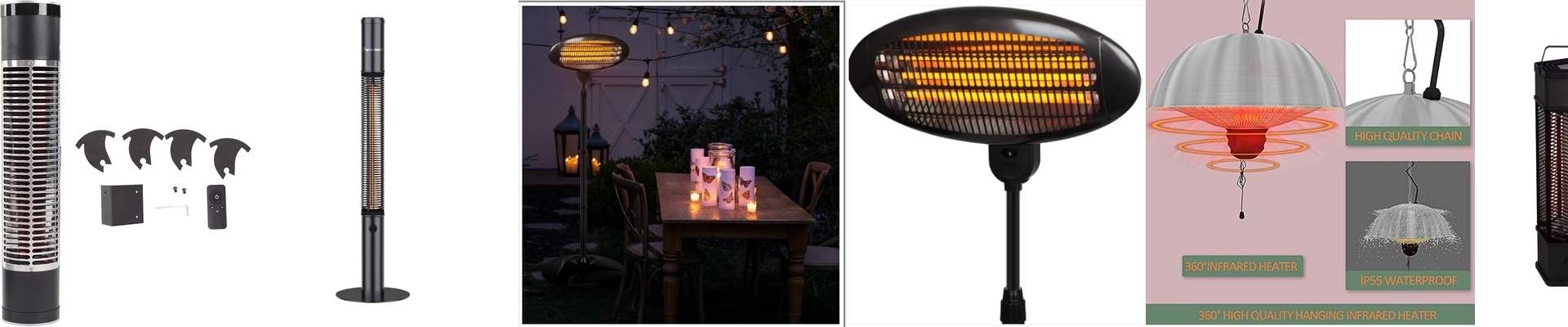
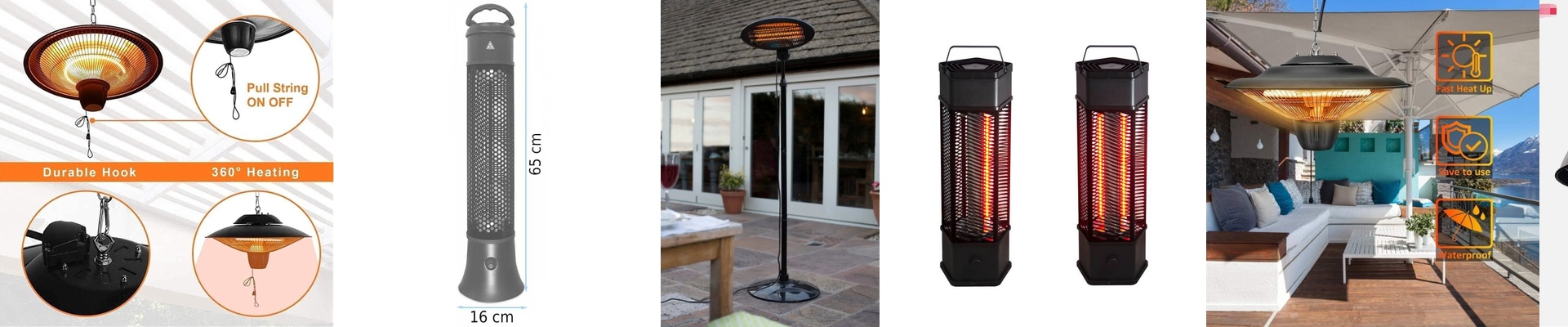
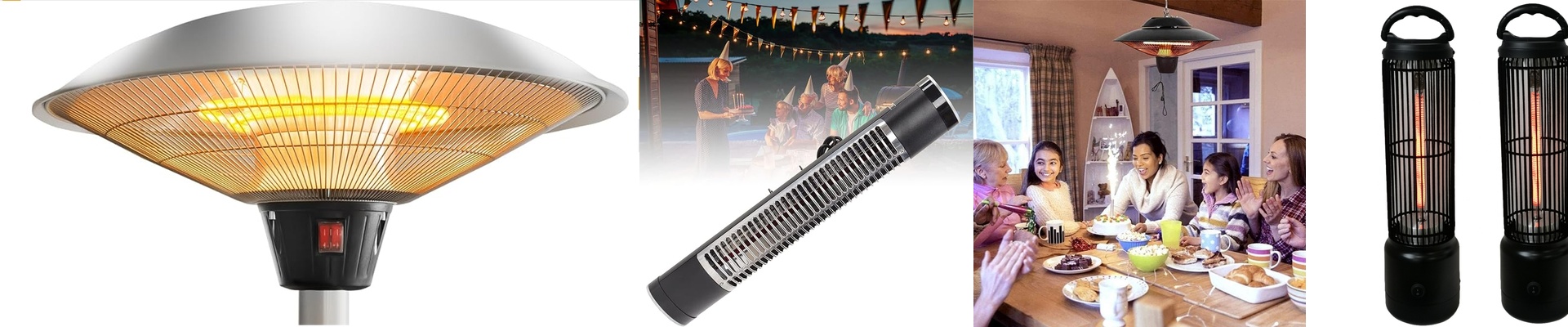
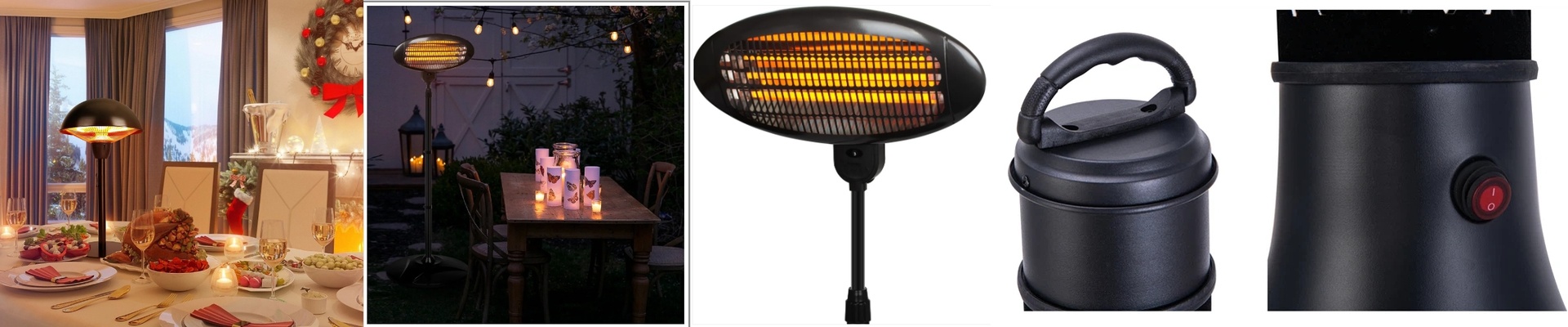
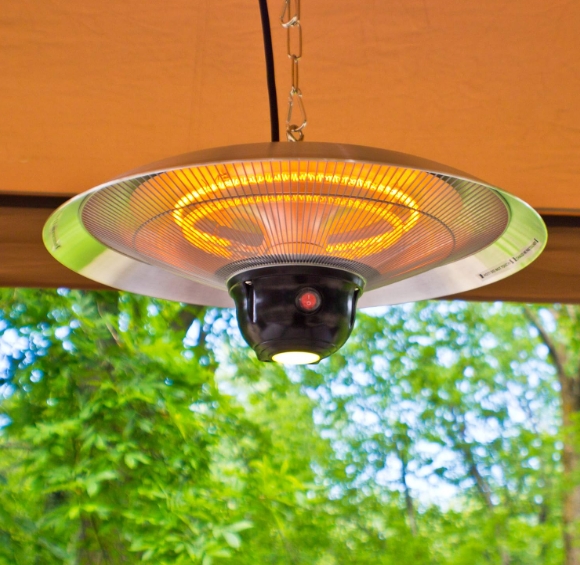
We build 1500W ceiling heaters for those tricky spots—like a breezy gazebo or a chilly bathroom—using short-wave infrared. Now, the real struggle here isn’t just getting the room warm. It’s the light. If you’ve ever looked at a cheap infrared lamp, you know that blinding glare. It’s harsh. It strains your eyes. And if you’ve got a baby in the house or you’re sitting right under the unit, that kind of light is just too much. Dealing with the glare We wanted to fix that. So, we changed how the light actually behaves. By using a specific kind of quartz glass and some internal coatings, we can filter out those aggressive blue-light spikes. You still get all the cozy, radiant heat on your skin, but you don’t feel like you’re staring into a spotlight. It’s about finding that sweet spot where it’s warm, but your eyes can actually relax. The nitty-gritty stuff At 1500W, these things pack enough punch to fight off a cold draft in an open-air porch. They run on standard home voltage, but a quick heads-up: make sure your wiring is up to the task. You don’t want to be tripping your breakers right in the middle of a winter freeze. Inside, the heating element is wrapped in high-grade quartz. We chose this because it doesn’t crack when it heats up and cools down quickly. We also added a reflective aluminum housing to push the heat straight down, so you actually feel the warmth where you’re standing. Getting it installed These are designed to be simple drop-in replacements for most ceiling fixtures. We kept them small because, let’s be honest, nobody wants a giant metal box ruining the look of their ceiling. But here’s the thing: placement matters. If you mount the heater too low, you’ll end up with a “hot zone” directly underneath it while the rest of the room stays freezing. You’ve got to check your ceiling height to make sure the heat spreads out evenly. Oh, and give it some breathing room—proper ventilation keeps the housing from getting too hot.