
Why we’re moving from hot air to IR heaters in vacuum systems
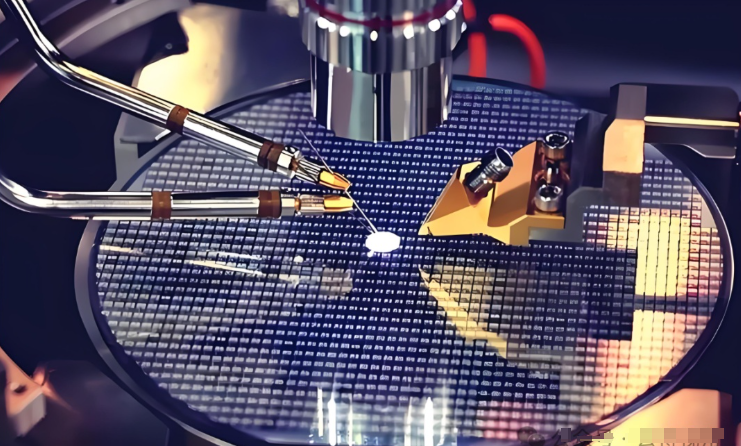
If you’re working in semiconductor deep processing, you know the drill. You need heat, and you need it fast. For a long time, we relied on forced air circulation, but there’s a glaring problem: you can’t blow hot air in a vacuum. There’s nothing to blow. So, we switch to vacuum-compatible infrared (IR) heaters. It’s not just a different way to get things warm—it’s about winning back your time. The clock is always ticking Hot air is slow. It’s a slog. You have to heat the air, then the walls of the chamber, and finally, the wafer actually gets warm. It’s a lot of waiting around. IR is different. It uses photons. They move at the speed of light, hit the target, and boom—you’re at temperature. We’ve seen ramp-up times crash from several minutes down to just a few seconds. When your fab is humming along 24/7, those saved seconds add up to a massive amount of extra throughput. It’s not as simple as plugging in a lamp You can’t just grab a random IR lamp and toss it in a vacuum chamber. It’ll ruin everything. Standard lamps “outgas,” which means they leak gunk into your clean environment. To stop that, we use specialized quartz envelopes and seals that are actually rated for vacuum work. Even the filaments are different. Since there’s no oxygen in there to fuel a standard burn, the materials have to be spec’d specifically so they don’t just give up and burn out. The catch: Watching your shadows Here is the tricky part. IR is fast, but it’s directional. Hot air wraps around a part like a blanket, but IR only heats what it can “see.” If your part has a weird shape or complex geometry, you’re going to get cold spots. You have to be really intentional about where the lamps sit and how the reflectors are angled. Otherwise, you’ll end up with edges that are scorching while the center is still chilly. A word of advice Pair these heaters with a solid PID controller and a pyrometer. It’s tempting to crank the wattage to shave off another second of cycle time, but be careful. If you push too hard, you risk shocking the quartz or warping your substrate. Just keep an eye on your cooling system. You want the wafer hot, but you don’t want to bake the rest of your vacuum assembly. Balance is everything.