
Stop Throwing Away Your Heaters
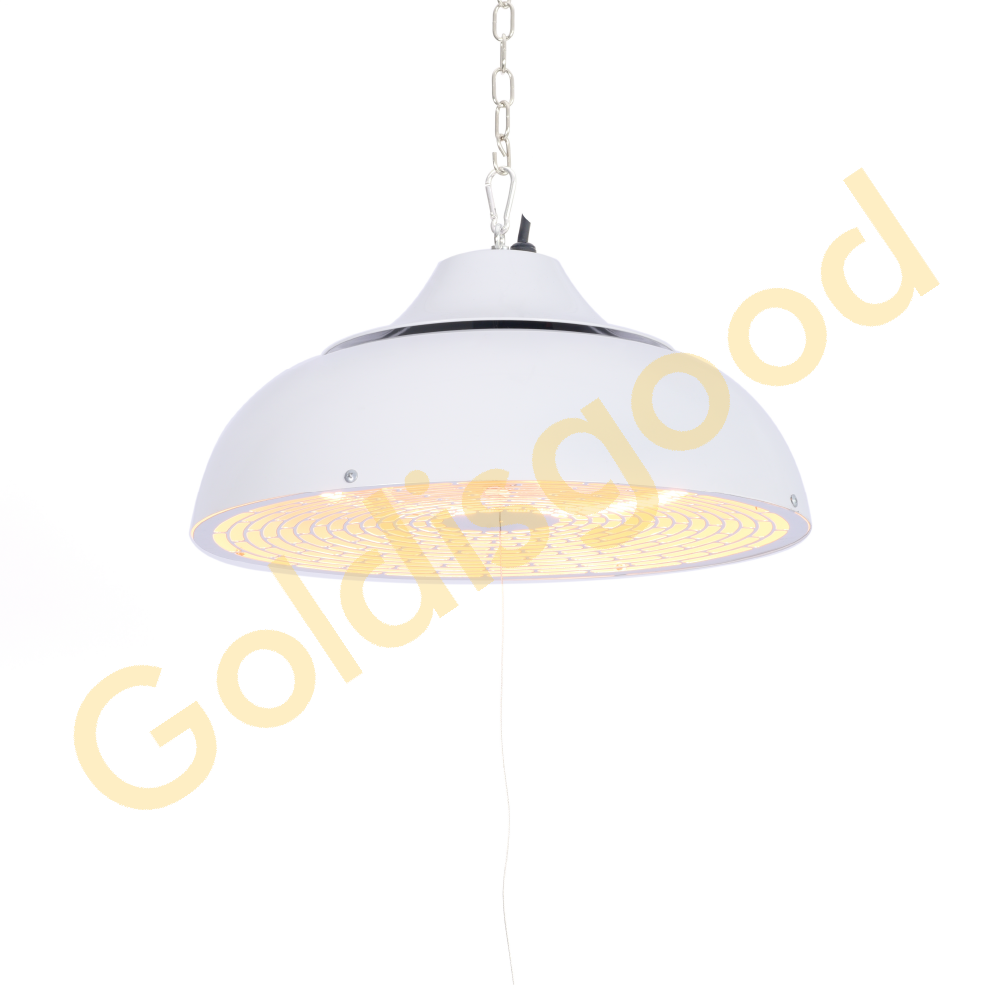
Here is the reality of IP55 waterproof table heaters: they have to be sealed tight. But in a real industrial shop, things break. Heating elements burn out. It happens. If you weld a heater into a sealed chassis, you’ve basically built a disposable machine. One tube pops, and suddenly the whole unit is scrap. Or, you spend an entire afternoon tearing it apart just to fix one small part. It’s a nightmare. A Better Way to Handle Seals We decided to do things differently. We built our infrared modules as drop-in replacements. Instead of burying the wires deep inside the housing, we use a modular chassis. If a tube goes bad, you just swap it out. You don’t even have to mess with the main IP55 seal of the enclosure. This means dust and moisture stay out of your electrical terminals while you’re working in the field. It’s cleaner. Much cleaner. The “Five-Year” Problem After about five years of heating up and cooling down, filaments start to degrade. Contact points get worn. Usually, that’s when the headaches start. But with quick-release fasteners and standard connectors, you aren’t rebuilding the heater from scratch. You pull the old module, slide in a new one, and wire it up. It takes twenty minutes. Not several hours. That’s a huge difference when your production line is waiting. The Trade-off Now, let’s be honest. Modular designs mean more connection points. In a perfect world, a single solid piece of metal is “ideal” because there are fewer places for resistance to creep in. To fix that, we use gold-plated, high-temp contacts. It keeps the voltage drop negligible. You get the speed of a quick repair without losing power. Just make sure your techs actually tighten those fasteners—that’s the only way to keep that IP55 rating intact. The Big Picture If you’re managing a fleet of these tables, the logistics matter. You don’t want to store ten massive replacement units in your warehouse. That’s a waste of space. With a modular system, you just keep a few elements and gaskets on the shelf. It changes the whole vibe of maintenance. You aren’t “replacing the machine” anymore. You’re just refreshing a module and getting back to work.