
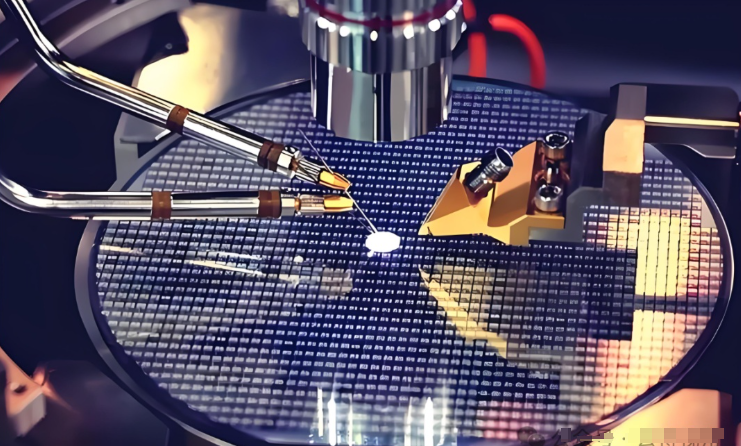
Cutting Carbon in the Fab: A Smarter Way to Heat Wafers
If we’re actually going to hit carbon neutrality in semiconductor fabs, we have to stop wasting so much energy on wafer heating and curing. Most standard resistive heaters are just… leaky. They bleed heat everywhere, warming up the entire chamber when all you actually need is the wafer to be hot. It’s a waste of power. That’s why we use shortwave infrared (IR) lamps. Instead of heating the air, these lamps hit the wafer surface directly. It’s a faster, leaner way to get to your process temperature. How it actually works Think of it like this: shortwave IR sends photons straight into the surface layer of the wafer. You aren’t waiting for the whole chamber to warm up first. No more thermal lag. Just direct heat. When you stop heating the empty space around the chip, your kWh per chip drops. It’s a simple shift, but it’s a massive part of making a “green factory” actually work in the real world. The balancing act Now, there is a catch. To get that rapid ramp-up, you need high-wattage quartz lamps. They’re powerful, but that intensity puts a lot of stress on the quartz. If you push a lamp to its absolute limit, it’s going to burn out. Fast. So, you have to find the sweet spot between raw power and how long you want the hardware to last. We usually suggest a staggered power cycle. It keeps your thermal profile steady without killing your lamps every few weeks. Fitting it into your setup The best part? These aren’t some massive overhaul. They’re designed to just drop right in where your old heating elements used to be. We use precision reflectors to make sure the heat stays on the wafer and doesn’t bleed into the carrier or the walls. This keeps the rest of the room cool. And when the room stays cool, your HVAC and cooling systems don’t have to fight an uphill battle to keep the facility from overheating. You save energy at the heater. Then you save it again at the facility level. It just makes sense.