

Why Gold-Coated Reflectors Actually Matter
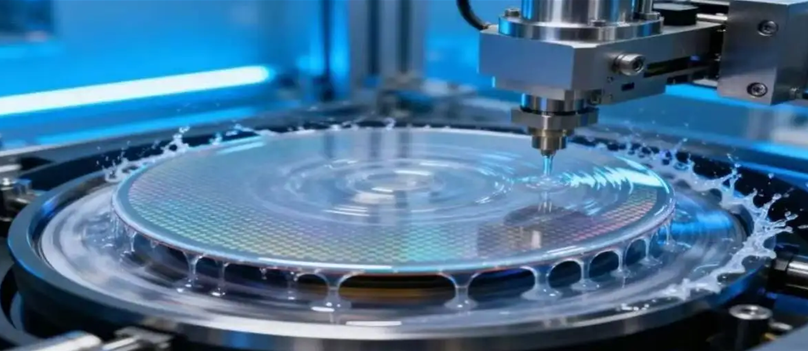
In wafer processing, wasting power is just leaving money on the table. Most setups let too much energy bleed into the machine chassis, which is a waste. That’s why we use gold-coated reflectors on our IR bulbs. Instead of letting that heat wander, the gold layer kicks it straight forward, pinning the heat right where it belongs: on the silicon surface.
The deal with gold
You’ll see a lot of aluminum reflectors out there. They’re fine, but they soak up a decent chunk of infrared energy. Gold is different. It reflects near-infrared light way better. More photons hitting the wafer means you get a tighter heat profile and you hit your target temperature a lot faster. Plus, you aren’t pulling nearly as much power to get the job done. It’s just more efficient.
Dealing with the heat
When you jam high wattage into a small bulb, things get intense. You need that kind of heat density for fast curing or baking, but it’s brutal on the equipment. We use high-purity quartz for the envelope so the tube doesn’t bow or snap when things get hot. But here’s the thing: you’ve got to keep it cool. If your housing isn’t designed to pull heat away from the back of the lamp, you’re asking for trouble. You’ll end up frying your connectors or ruining the gold coating.
Fitting them in and keeping them running
We made these lamps to be simple drop-in replacements. They fit right into your existing semiconductor arrays without any fuss. We also tweaked the reflector geometry to narrow the beam, which gets rid of those annoying “cold spots” across the wafer. Just a heads-up: keep them clean. Even a thin layer of dust or some chemical residue will kill your efficiency. Give them a wipe with the right solvents to keep the heat consistent. If you notice the gold flaking or changing color? That’s your signal. The lamp is done. Swap it out.