
Why Stop Waiting on Hot Air? Switching to Gold Coated IR
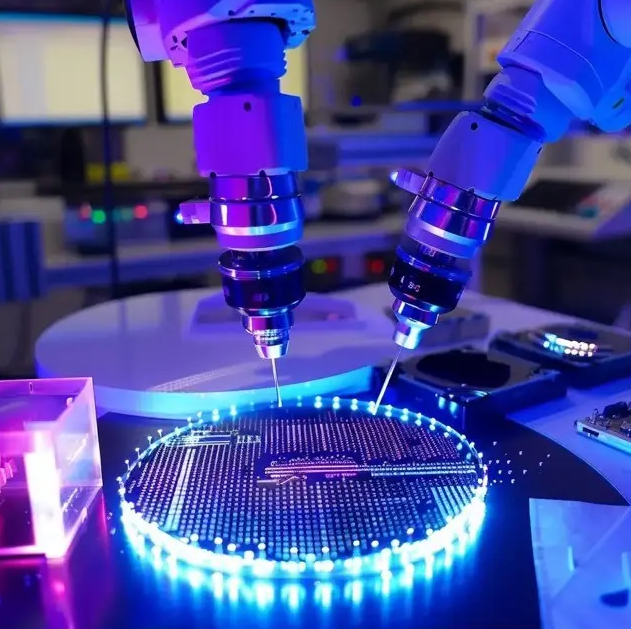
If you’ve spent any time in semiconductor processing, you know the drill with hot air circulation. You heat the air, the air heats the part, and you sit there waiting. It’s slow. There’s this annoying time lag that just eats into your day. But if you switch to twin-tube gold coated lamps, you’re playing a different game entirely. We’re talking about radiant energy here, not just blowing hot air around. The secret is in the gold. Think about a standard quartz tube. A lot of the heat just leaks out the back—basically wasted energy. By adding a gold coating to that quartz envelope, we turn the tube into a mirror. It pushes all that IR radiation forward, right onto the workpiece. It’s like switching from a dim lightbulb to a concentrated beam. The energy hits the target instantly. Why the twin-tube setup? We went with a twin-tube design because it gives us way more filament surface area without taking up more space. This means we can crank up the wattage without worrying about the ends of the lamps overheating. The best part? You don’t get those frustrating “cold spots” you usually find with single-tube setups. Everything gets a nice, even soak. Cutting the “wait time” Let’s be honest: waiting for an oven to hit its set-point is a waste of time. Hot air systems can take minutes. IR lamps? They do it in seconds. It’s a massive win for your cycle time. You stop staring at a timer and actually start processing. The reality check Now, I won’t tell you this is a magic wand. High-density IR is powerful—maybe too powerful if you aren’t careful. Because the heat transfer happens so fast, you can actually scorch the surface if your PID controllers aren’t dialed in. You’ll want fast-response thermocouples to make sure you don’t overshoot your temp. And a quick heads-up: if you’re ripping out a hot air oven to put in IR, check your cooling. You’ll likely need some new fans for the lamp housing, or you’ll end up frying your electronics.