Getting Lead-Free Curing Right (Without Wasting Energy)
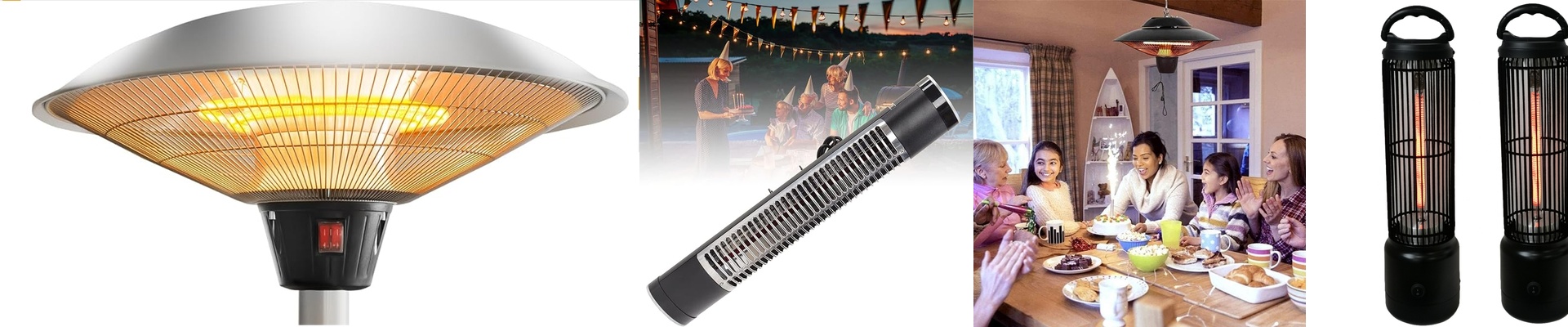
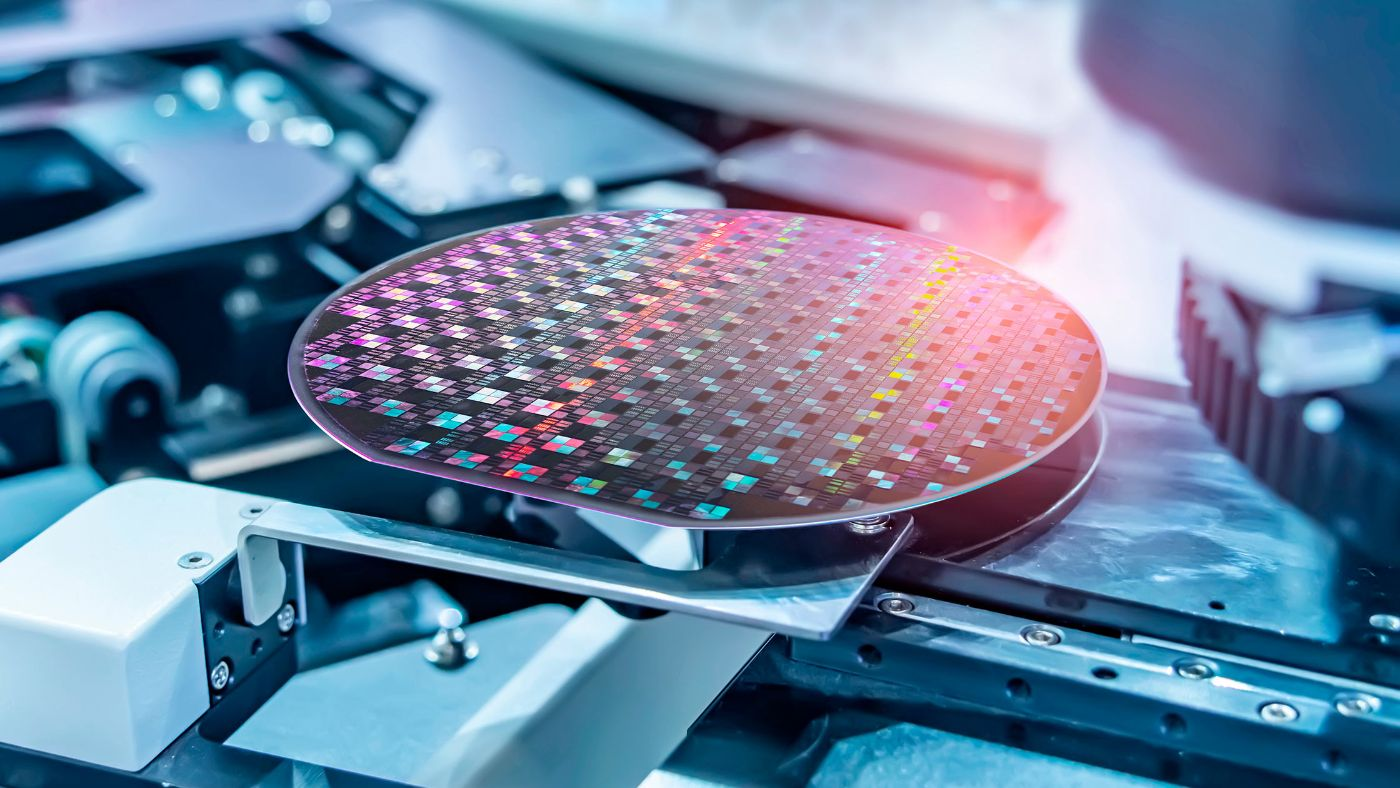
The semiconductor world is pushing hard toward lead-free and green energy. It’s a good move, but it changes how we handle curing. That’s where Infrared (IR) comes in. Since it doesn’t need those nasty chemical solvents or heavy-metal catalysts, it’s the go-to for staying clean. But here is the catch: you can’t just slap a lamp into a machine and hope for the best. You need a precision-engineered aluminum reflector to actually point that energy where it belongs. The trick with the reflectors Think about how an IR lamp works. It throws radiation everywhere. Without a reflector, you’re basically spending half your budget heating up the metal frame of your machine. Total waste. We use high-purity aluminum because it handles short-wave and medium-wave IR spectra beautifully. By curving that aluminum into a parabolic or elliptical shape, we can bounce those photons straight back onto the substrate. You get a much stronger heat flux on the wafer without having to crank the wattage. It’s smarter, not harder. Why this actually helps the planet Old-school drying relies on forced hot air. It’s like trying to heat a whole house just to warm up one cup of coffee—you’re wasting massive amounts of electricity heating the entire oven. IR is different. It targets the material directly. It hits the lead-free solder or adhesive and triggers the reaction in seconds. Your equipment takes up less space, and your power bill drops. It just makes sense. The “Gotcha”: Maintenance Aluminum is the gold standard because it’s light and reflects like a mirror. But it has a weakness: oxidation. If your ventilation is poor and the reflector surface starts to pit or oxidize, your reflectivity tanks. You’ll start noticing that your parts aren’t hitting the right temperatures. The temptation is to just run the lamps hotter to compensate.**Don’t do that.**That’s how you burn out your tubes prematurely. Keep your reflectors clean, and your lamps will last a whole lot longer.