



Why we use gold to heat wafers
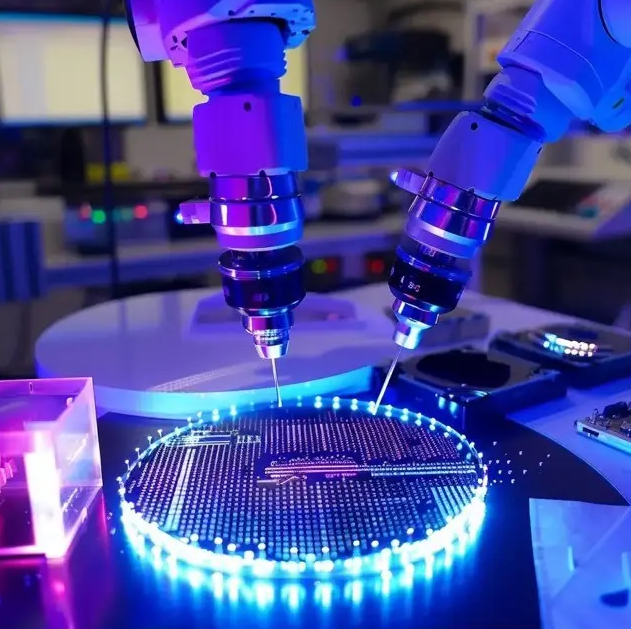
When you’re heating semiconductor wafers, it’s easy to think that more power is the answer. But raw wattage isn’t the real goal. What actually matters is how much of that energy actually hits the substrate. Here’s the problem: standard quartz lamps are leaky. A huge chunk of their heat just drifts off to the sides or the back, doing absolutely nothing for your process. That’s why we use a high-purity gold coating on the reflector assembly. The logic behind the gold Gold isn’t just for jewelry. It’s incredible at reflecting infrared light. If you use aluminum or polished steel, you’re losing energy because those materials absorb part of the spectrum or wear down over time. Gold doesn’t play that game. It bounces almost all that long-wave infrared radiation right back toward the wafer. The result? You get a tight, focused beam of energy. You don’t have to crank up the voltage to scary levels just to get the job done. Keeping things cool (mostly) Plus, this helps the rest of your machine. When you stop “waste heat” from soaking into the tool’s chassis, your cooling system can finally take a breather. It doesn’t have to fight a losing battle to keep the chamber at the right temperature. By focusing the radiation into a narrow cone, the wafer hits its target temp a lot faster. The honest trade-offs Now, gold isn’t a magic fix. It’s expensive. It definitely adds to the initial cost of the build. You also have to be careful about how you clean it. Some harsh chemicals will strip the gold right off or leave a film behind, which kills the reflectivity. And if the surface gets scratched or pitted? You’ll start seeing hot spots on your wafer, which is a nightmare for consistency. We usually save this setup for tools where thermal uniformity is the only thing that matters. By tweaking the shape of that gold surface, we can dial in exactly how the heat spreads across the wafer. It keeps things stable and stops the wafer from warping or stressing out during those high-temp cycles.